Under the current guidelines, citizens from 50 designated countries spanning Europe, Asia, the Americas, and Oceania can travel to China seamlessly, provided they hold ordinary passports. Eligible travellers are permitted to stay in China for a maximum of 30 days for business, tourism, family visits, exchange visits, or direct transit.
Ngày 21/10, cầu đi bộ hình lá dừa bắc qua sông Sài Gòn chính thức hợp long, đánh dấu cột mốc quan trọng của công trình gần 1.000 tỷ đồng do Nutifood tài trợ. Nhưng ít ai biết, người đứng sau quyết định tài trợ này từng có một cú rẽ sự nghiệp đầy bất ngờ.
Đó là ông Trần Thanh Hải, Chủ tịch HĐQT Nutifood, người từng gắn bó với bất động sản trước khi bước vào ngành sữa.
Năm 2011, khi Nutifood gặp khó khăn, các cổ đông lớn thoái vốn, ông Hải quyết định bán toàn bộ tài sản bất động sản để mua lại cổ phần, trở thành cổ đông lớn nhất và trực tiếp chèo lái doanh nghiệp.
Một quyết định không nhỏ: rời lĩnh vực quen thuộc để bước vào ngành hàng đòi hỏi kiến thức chuyên môn sâu, cạnh tranh khốc liệt và niềm tin của người tiêu dùng.
Ông Hải từng chia sẻ ban đầu chỉ định giúp vợ vài năm rồi quay lại nghề cũ. Nhưng cuối cùng, ngành sữa đã giữ chân ông.
Dưới sự điều hành của vợ chồng ông Hải, Nutifood dần phục hồi. Năm 2017, doanh nghiệp đạt doanh thu 10.000 tỷ đồng, vươn lên vị trí thứ ba trên thị trường sữa Việt Nam. Công ty tiếp tục mở rộng hoạt động, phát triển hệ sinh thái dinh dưỡng và từng bước tiến ra quốc tế.
Giờ đây, dấu ấn của ông Hải không chỉ nằm trong những sản phẩm dinh dưỡng mà còn hiện diện giữa lòng TP.HCM qua cây cầu đi bộ dài 720 m, mang hình dáng lá dừa Nam Bộ. Công trình dự kiến đưa vào khai thác dịp Tết Nguyên đán 2027.
Từ người làm bất động sản đến doanh nhân ngành sữa, hành trình của ông Hải cho thấy một điều: đôi khi, bước ngoặt lớn nhất không đến từ việc giữ chặt những gì đang có, mà từ quyết định dám đánh đổi để theo đuổi một con đường mới.
Theo bạn, điều gì tạo nên một doanh nhân lớn: khả năng kiếm tiền hay bản lĩnh đưa ra những quyết định khó khăn ở thời điểm quan trọng?
Vingroup xem xét xây nhà máy nửa tỷ USD tại Philippines
Vingroup đang cân nhắc mở rộng hoạt động với khoản đầu tư 500 triệu USD để xây nhà máy xe điện, theo Bộ Thương mại và Công nghiệp Philippines.
Theo thông tin từ Bộ Thương mại và Công nghiệp Philippines, hai bên đã có cuộc trao đổi về vấn đề này. Việc xây dựng nhà máy của Vingroup có thể triển khai trong quý I năm sau, với thời gian hoàn thành sau 1,5 năm. Dự án được thiết kế với công suất khoảng 200.000 xe mỗi năm, phục vụ cả thị trường nội địa và xuất khẩu.
Bên cạnh ôtô, Vingroup cũng đặt mục tiêu giới thiệu các dòng xe máy điện vào thị trường Philippines. Trong cuộc trao đổi với ông Nguyễn Quốc Tuấn, Phó chủ tịch Vingroup kiêm Chủ tịch Green SM, đại diện Bộ Thương mại và Công nghiệp Philippines đã giới thiệu các cơ chế hỗ trợ cho dự án, trong đó bao gồm một số ưu đãi thuế Đạo luật CREATE More và rút ngắn thời gian xử lý hồ sơ.
Bộ trưởng Công Thương Philippines Cristina A. Roque cho biết cơ quan này sẵn sàng hỗ trợ nhà đầu tư trong quá trình triển khai. Việc này giúp tạo dựng môi trường cạnh tranh cho các doanh nghiệp đổi mới sáng tạo toàn cầu mở rộng hoạt động sản xuất.
Vingroup hiện chưa có bình luận gì về thông tin trên. Tuy nhiên, tập đoàn này cho biết chính quyền địa phương cũng mong muốn doanh nghiệp xây dựng nhà máy để tạo việc làm cho người dân.
Một số mẫu xe VinFast tại Philippines. Ảnh: Vingroup
Thông qua công ty con VinFast, Vingroup đặt chân đến Philippines vào tháng 5/2024 bằng việc bán xe ôtô điện. Green SM, hãng gọi xe do tỷ phú Phạm Nhật Vượng sáng lập, đã triển khai dịch vụ tại Philippines từ tháng 6 năm ngoái.
Ngoài nhà máy tại Philippines, Vingroup đang sở hữu hai nhà máy sản xuất xe điện tại Indonesia và Ấn Độ với tổng công suất 100.000 xe ôtô mỗi năm. Trước đó, trong tháng 6, doanh nghiệp đã chuyển giao hai nhà máy cùng toàn bộ mảng sản xuất tại Việt Nam, thu về khoảng 12.500 tỷ đồng tiền lãi.
Trong nửa đầu năm nay, VinFast, công ty phụ trách mảng sản xuất xe điện tại Vingroup, mang về gần 53.200 tỷ đồng doanh thu, tương đương 2,1 tỷ USD, tăng 61% so với cùng kỳ năm ngoái. Doanh nghiệp đã bàn giao khoảng 128.685 ôtô điện trên toàn cầu, cải thiện 77% so với cùng kỳ năm ngoái.
Trừ các chi phí, VinFast lỗ sau thuế gần 28.400 tỷ đồng. Tuy nhiên, mức này đã giảm so với mức lợi nhuận âm hơn 38.300 tỷ đồng của cùng kỳ năm ngoái.
Việt Nam trong trái tim Hoàng gia Đan Mạch, nhớ vị Hoàng thân nói sõi tiếng Việt
Mối lương duyên giữa Hoàng gia Đan Mạch và Việt Nam gắn liền với những ký ức tuổi thơ tại Hà Nội của cố Hoàng thân Henrik, phu quân của Nữ hoàng Margrethe II. Sinh thời, ông từng chia sẻ đã có lúc còn nói tiếng Việt tốt hơn cả tiếng Pháp.
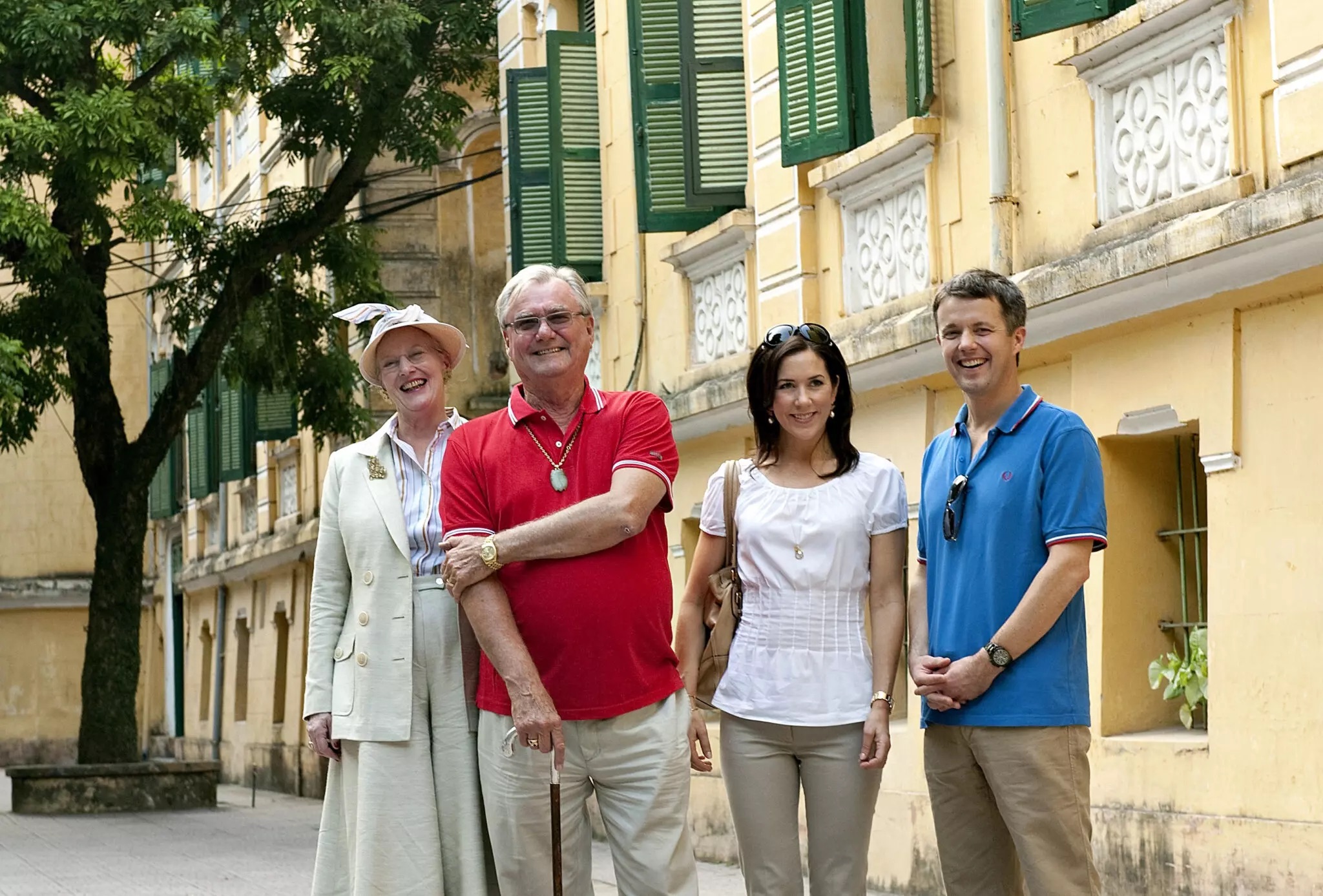
Nữ hoàng Margrethe II, Hoàng thân Henrik, Nhà vua Frederik X và Hoàng hậu Mary (khi đó là Thái tử và Công nương) thăm ngôi nhà thời thơ ấu của Hoàng thân trong chuyến thăm cấp Nhà nước tới Việt Nam vào cuối năm 2009 - Ảnh: Keld Navntoft/Ritzau Scanpix
Trong chuyến thăm cấp Nhà nước của Tổng Bí thư, Chủ tịch nước Tô Lâm và Phu nhân Ngô Phương Ly đến Đan Mạch, những ký ức sâu đậm của cố Hoàng thân Henrik về Việt Nam một lần nữa được Nhà vua Frederik X nhắc lại.
Tuổi thơ gắn với Việt Nam
Hoàng thân Henrik (1934 - 2018), có tên khai sinh là Henri Marie Jean André, xuất thân từ dòng họ quý tộc Monpezat ở vùng Pau, Pháp.
Không lâu sau khi chào đời, ông theo mẹ sang Hà Nội sinh sống cùng cha, một doanh nhân hoạt động trong nhiều lĩnh vực tại Đông Dương. Gia đình ông sống tại đây từ năm 1934 - 1939.
Sau thời gian trở về Pháp, đến năm 16 tuổi, ông quay lại và lấy bằng tú tài tại Hà Nội năm 1952. Sau đó, ông học tiếng Việt và tiếng Trung Quốc tại Paris, rồi tiếp tục có thời gian học tập tại Việt Nam vào năm 1958.
Những năm tháng tuổi thơ và niên thiếu tại Việt Nam để lại dấu ấn sâu đậm trong ký ức của Hoàng thân.
Trong chuyến thăm Hà Nội vào đầu những năm 2000, ông chia sẻ với báo chí trong nước rằng việc trở về Việt Nam "nghĩa là tôi chạm vào tuổi thơ của mình". Vào năm 1939 khi về Pháp, ông thậm chí còn sử dụng tiếng Việt tốt hơn cả tiếng Pháp.
Ông từng đặt chân đến nhiều nơi như Nha Trang, Đà Nẵng, Huế và nhận xét Việt Nam là một đất nước đẹp tuyệt vời. Điều khiến ông ấn tượng sâu sắc nhất là tình cảm giữa con người Việt Nam. Dù xa Việt Nam nhiều năm, ông vẫn giữ liên lạc với một số người bạn tại đây.
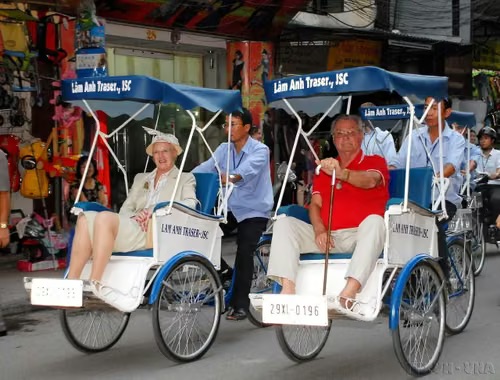
Nữ hoàng và Hoàng thân dạo phố Hà Nội trên xích lô vào năm 2009 - Ảnh: TTXVN
Tình cảm tiếp nối qua nhiều thế hệ
Từ Hoàng thân Henrik, sợi dây tình cảm dành cho đất nước hình chữ S được tiếp nối qua các thế hệ Hoàng gia Đan Mạch.
Chia sẻ với Tuổi Trẻ, nguyên Đại sứ Lương Thanh Nghị - nguyên Đại sứ Đan Mạch tại Việt Nam (giai đoạn 2022-2025) - cho biết khi trình quốc thư lên Nữ hoàng Margrethe II, bà đã xúc động kể với ông về những năm tháng gắn bó của Hoàng thân Henrik với Việt Nam, cũng như những ấn tượng đẹp trong chuyến thăm cấp Nhà nước tới Việt Nam năm 2009.
Trong chuyến thăm đó, Nữ hoàng Margrethe II, Hoàng thân Henrik cùng vợ chồng con trai cả là Thái tử Frederik và Công nương Mary (nay là Nhà vua Frederik X và Hoàng hậu Mary) đã đến thăm ngôi nhà tại số 80 Phan Đình Phùng, Hà Nội, nơi lưu giữ nhiều dấu ấn trong cuộc đời Hoàng thân Henrik.
Hoàng gia Đan Mạch cho biết với Hoàng thân Henrik, "chuyến thăm là dịp trở về đầy vui mừng với đất nước nơi ông đã trải qua nhiều năm tháng thời thơ ấu và niên thiếu".
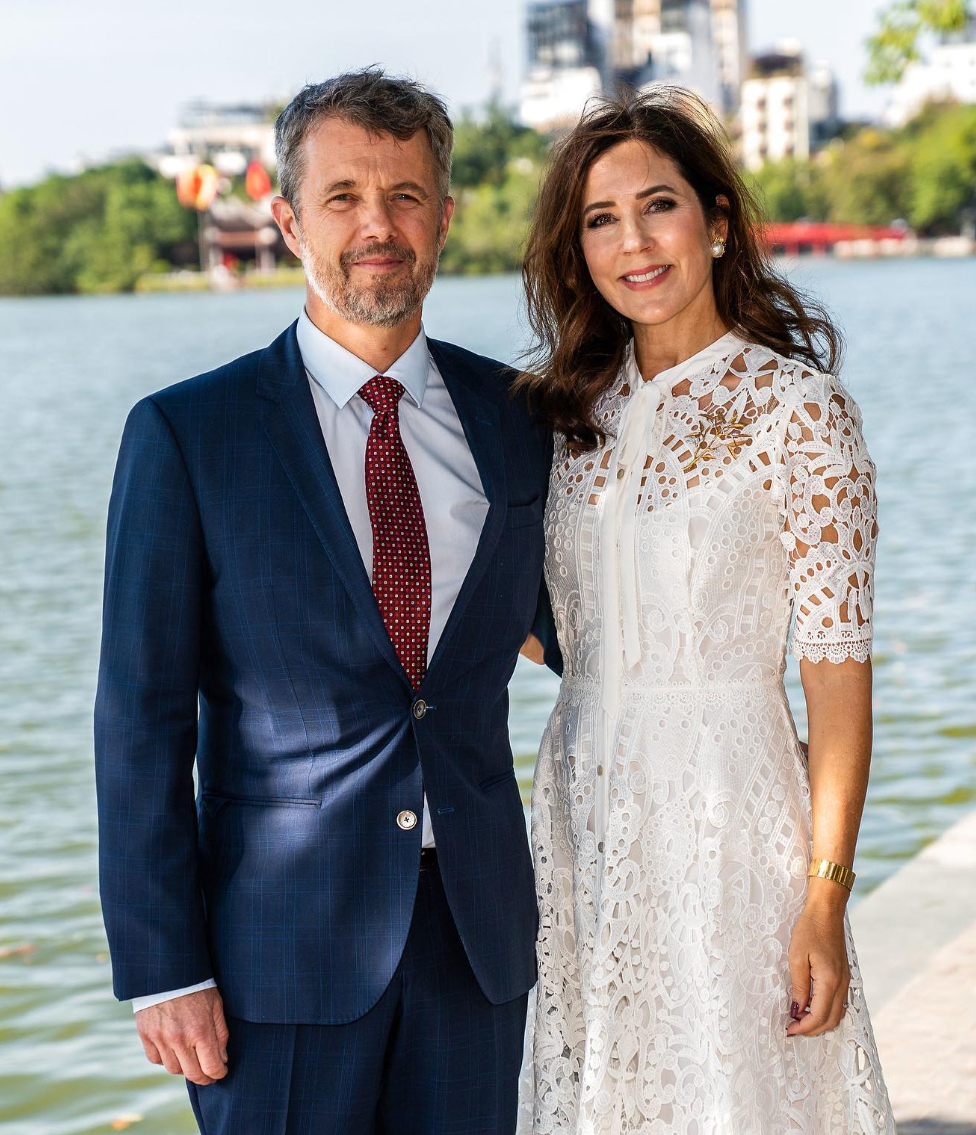
Nhà vua Frederik X, Hoàng hậu Mary trong chuyến thăm Việt Nam vào năm 2022 trên cương vị Thái tử và Công nương - Ảnh: HOÀNG GIA ĐAN MẠCH
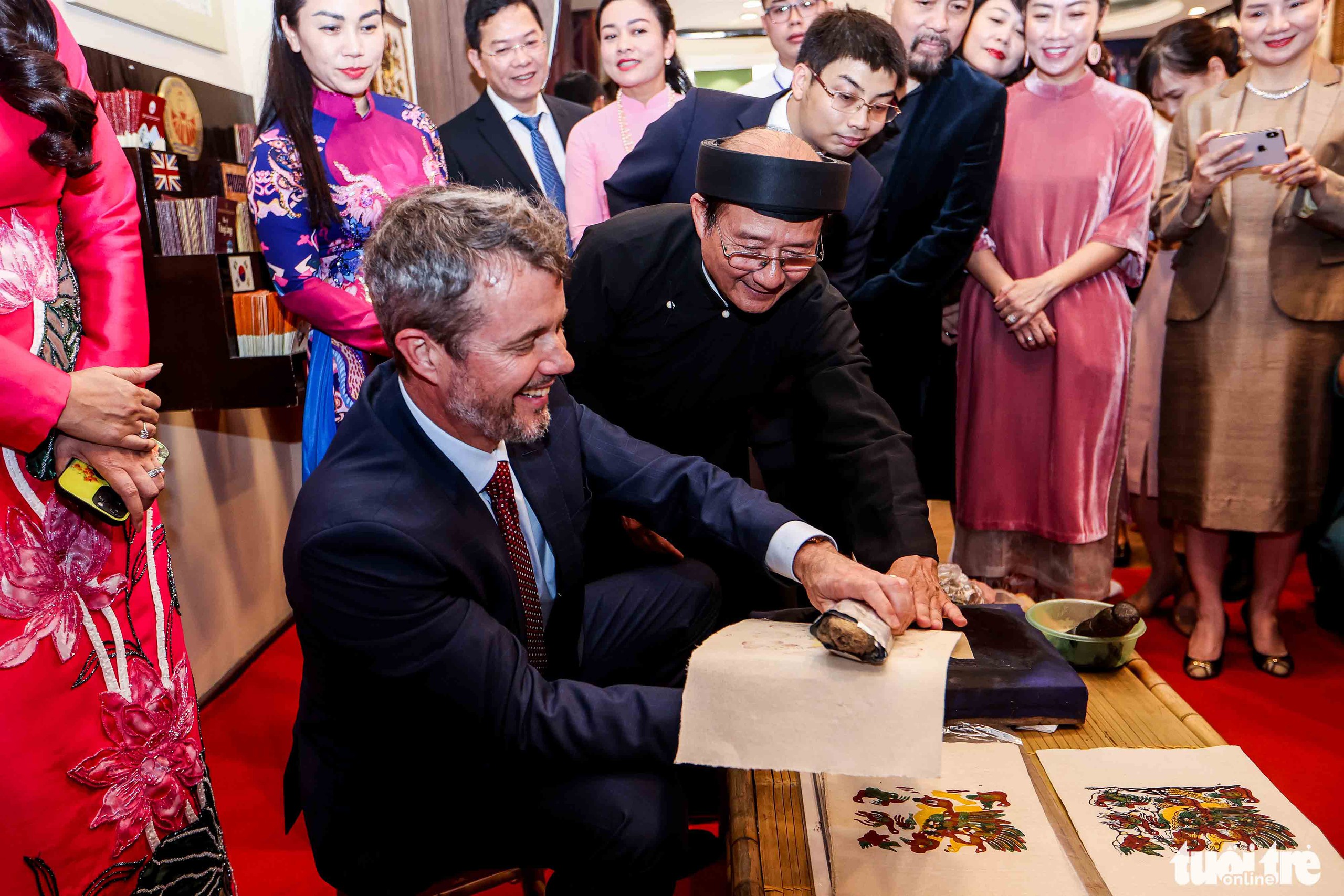
Nhà vua Frederik được một nghệ nhân hướng dẫn làm tranh Đông Hồ trong chuyến thăm Việt Nam năm 2022 khi là Thái tử kế vị Đan Mạch - Ảnh: NGUYỄN KHÁNH
Nhà Vua Frederik X, Hoàng hậu Mary cũng nhiều lần nhắc lại mối duyên giữa cố Hoàng thân với đất nước Việt Nam.
Trong chuyến thăm đến Việt Nam vào năm 2022, Hoàng hậu Mary (khi đó là Công nương), kể rằng vào năm 2009, Hoàng thân Henrik đã đưa cả gia đình đến hồ Tây - nơi ông thường đi dạo cùng bảo mẫu, đến thăm biệt thự trên phố Phan Đình Phùng - nơi gia đình ông sinh sống, cũng như ngôi trường trung học ông tốt nghiệp ở gần lăng Bác.
"Việt Nam và những người bạn Việt Nam luôn có vị trí đặc biệt trong trái tim ông", Hoàng hậu Mary xúc động chia sẻ khi đó.
Bản thân Nhà vua Frederik X cũng từng ba lần đến Việt Nam, vào các năm 2009, 2011 và 2022. Trong chuyến thăm năm 2022, ông dành thời gian khám phá cảnh sắc và văn hóa Việt Nam qua những trải nghiệm gần gũi như dạo quanh hồ Gươm, tham quan đền Ngọc Sơn, thưởng thức nghệ thuật múa rối nước và thử làm tranh Đông Hồ.
Sự đón tiếp trọng thị dành cho Tổng Bí thư, Chủ tịch nước Tô Lâm và Phu nhân
Với những tình cảm sâu sắc dành cho đất nước Việt Nam, Nhà vua và Hoàng hậu Đan Mạch đã dành cho Tổng Bí thư, Chủ tịch nước Tô Lâm, Phu nhân Ngô Phương Ly cùng đoàn đại biểu cấp cao Việt Nam sự tiếp đón trọng thị với nhiều biệt lệ, vượt ngoài thông lệ lễ tân của Hoàng gia.
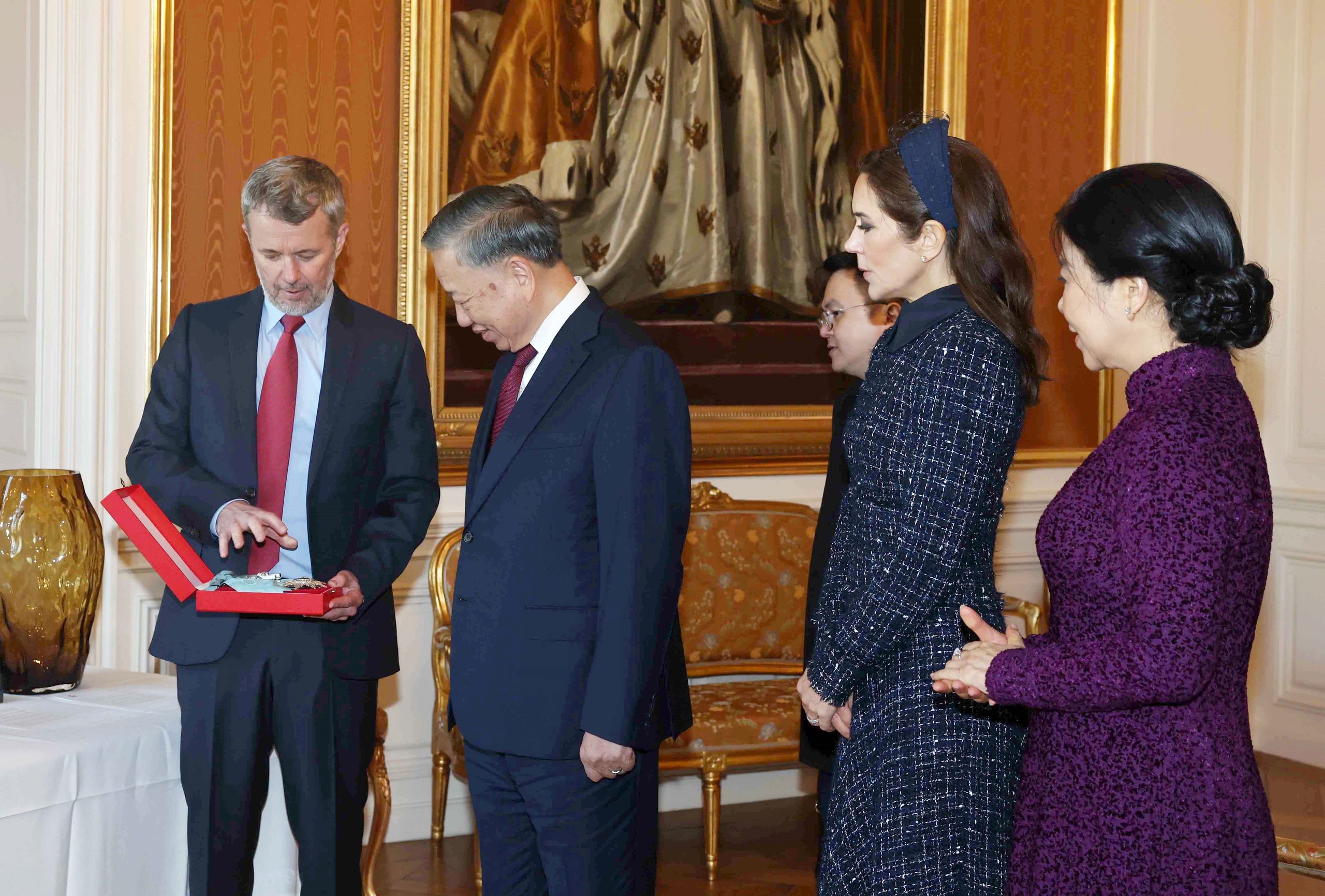
Đặc biệt, Nhà vua Frederik X đã trao tặng Huân chương Voi cao quý nhất của Đan Mạch cho Tổng Bí thư, Chủ tịch nước Tô Lâm.
Việc trao tặng diễn ra nhân dịp nhà lãnh đạo Việt Nam có chuyến thăm cấp Nhà nước đến Đan Mạch, đúng vào dịp hai nước kỷ niệm 55 năm thiết lập quan hệ ngoại giao (1971 - 2026). Cử chỉ trọng thị này mang ý nghĩa chính trị và ngoại giao sâu sắc, thể hiện sự trân trọng đối với Tổng Bí thư, Chủ tịch nước Tô Lâm và sự coi trọng của Hoàng gia Đan Mạch đối với Việt Nam.
Xúc động được nhận huân chương, Tổng Bí thư, Chủ tịch nước Tô Lâm bày tỏ mong muốn dành vinh dự to lớn này cho Nhân dân Việt Nam, cho các thế hệ người Việt Nam và Đan Mạch đã đặt nền móng, vun đắp tình hữu nghị suốt 55 năm qua và cho những người Việt Nam, Đan Mạch hôm nay đang tiếp nối hành trình, đưa quan hệ hai nước bước sang một chương phát triển mới.
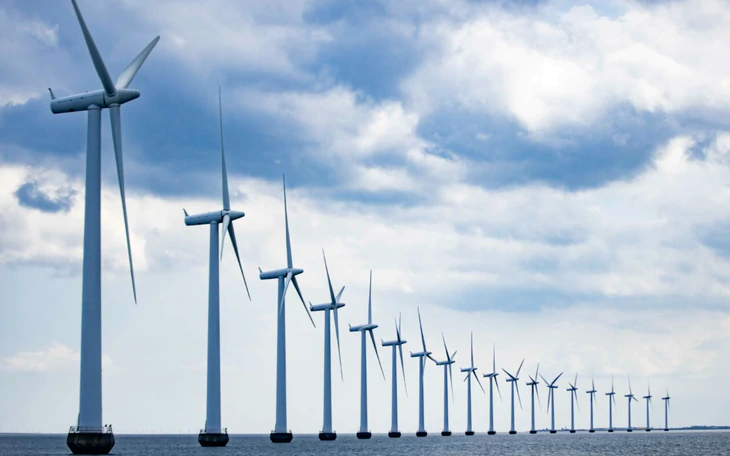
Từ trang trại điện gió ngoài khơi đầu tiên trên thế giới đến mô hình điện gió có người dân góp vốn, Đan Mạch từng bước xây dựng ngành công nghiệp năng lượng xanh trị giá hàng tỉ euro. Những kinh nghiệm này đang được chia sẻ với Việt Nam.
Những biệt lệ của Hoàng gia Đan Mạch dành cho Tổng Bí thư, Chủ tịch nước Tô Lâm cùng Phu nhân
Theo nguyên Đại sứ Việt Nam tại Đan Mạch Lương Thanh Nghị, chuyến thăm cấp Nhà nước của Tổng Bí thư, Chủ tịch nước Tô Lâm ghi dấu những nghi thức đón tiếp vượt ngoài thông lệ lễ tân của Hoàng gia Đan Mạch.
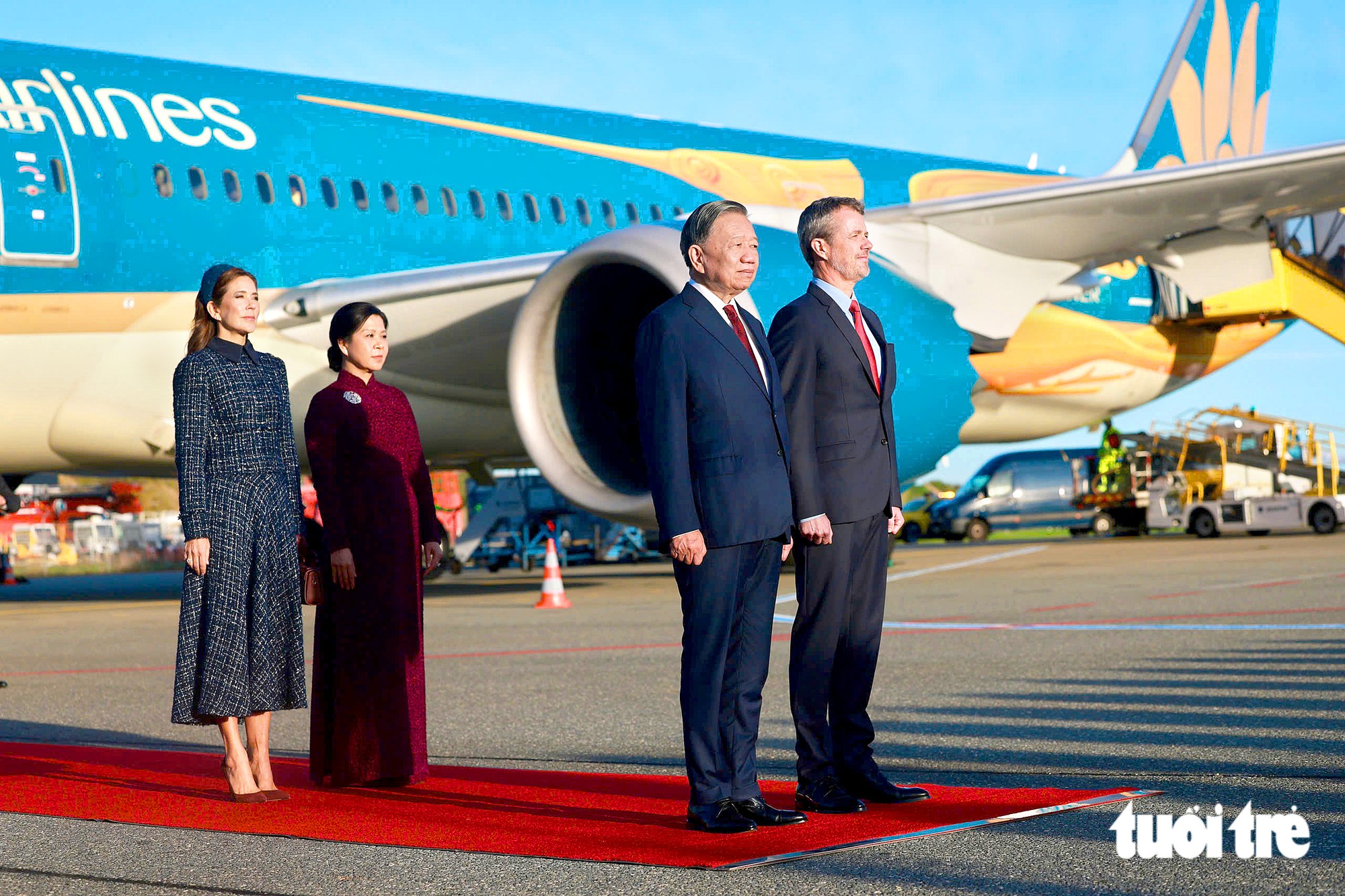
Nhà vua Đan Mạch Frederik X và Hoàng hậu Mary chào đón Tổng Bí thư, Chủ tịch nước Tô Lâm và Phu nhân Ngô Phương Ly tại sân bay quốc tế Copenhagen ngày 19-10 - Ảnh: NGUYỄN KHÁNH
Ông Lương Thanh Nghị, nguyên Đại sứ Việt Nam tại Đan Mạch (nhiệm kỳ 2022 - 2025), đã dõi theo những hoạt động đặc biệt trong ngày đầu tiên của chuyến thăm cấp Nhà nước tới Đan Mạch của Tổng Bí thư, Chủ tịch nước Tô Lâm và Phu nhân cùng đoàn đại biểu cấp cao Việt Nam.
Chia sẻ với Tuổi Trẻ hôm 19-10, ông nhận định Nhà vua Frederik X và Hoàng hậu Mary đã dành cho đoàn sự đón tiếp đặc biệt trọng thị, với các nghi thức lễ tân ở mức cao nhất, thậm chí có những điểm vượt ngoài thông lệ đón tiếp của Hoàng gia Đan Mạch.
Những nghi thức đón tiếp hiếm có
Đây là chuyến thăm cấp Nhà nước đầu tiên tới Đan Mạch của Tổng Bí thư, Chủ tịch nước Tô Lâm trên cương vị người đứng đầu Đảng và Nhà nước Việt Nam.
Theo Đại sứ Lương Thanh Nghị, kể từ khi lên ngôi năm 2024, Nhà vua Frederik X mới đón tiếp cấp Nhà nước hai nguyên thủ quốc gia.
Chuyến thăm của Tổng Bí thư, Chủ tịch nước Tô Lâm là lần thứ ba Nhà vua đón tiếp một nguyên thủ quốc gia trong chuyến thăm cấp Nhà nước, đồng thời là chuyến thăm cấp Nhà nước đầu tiên được Đan Mạch tổ chức trong năm 2026.
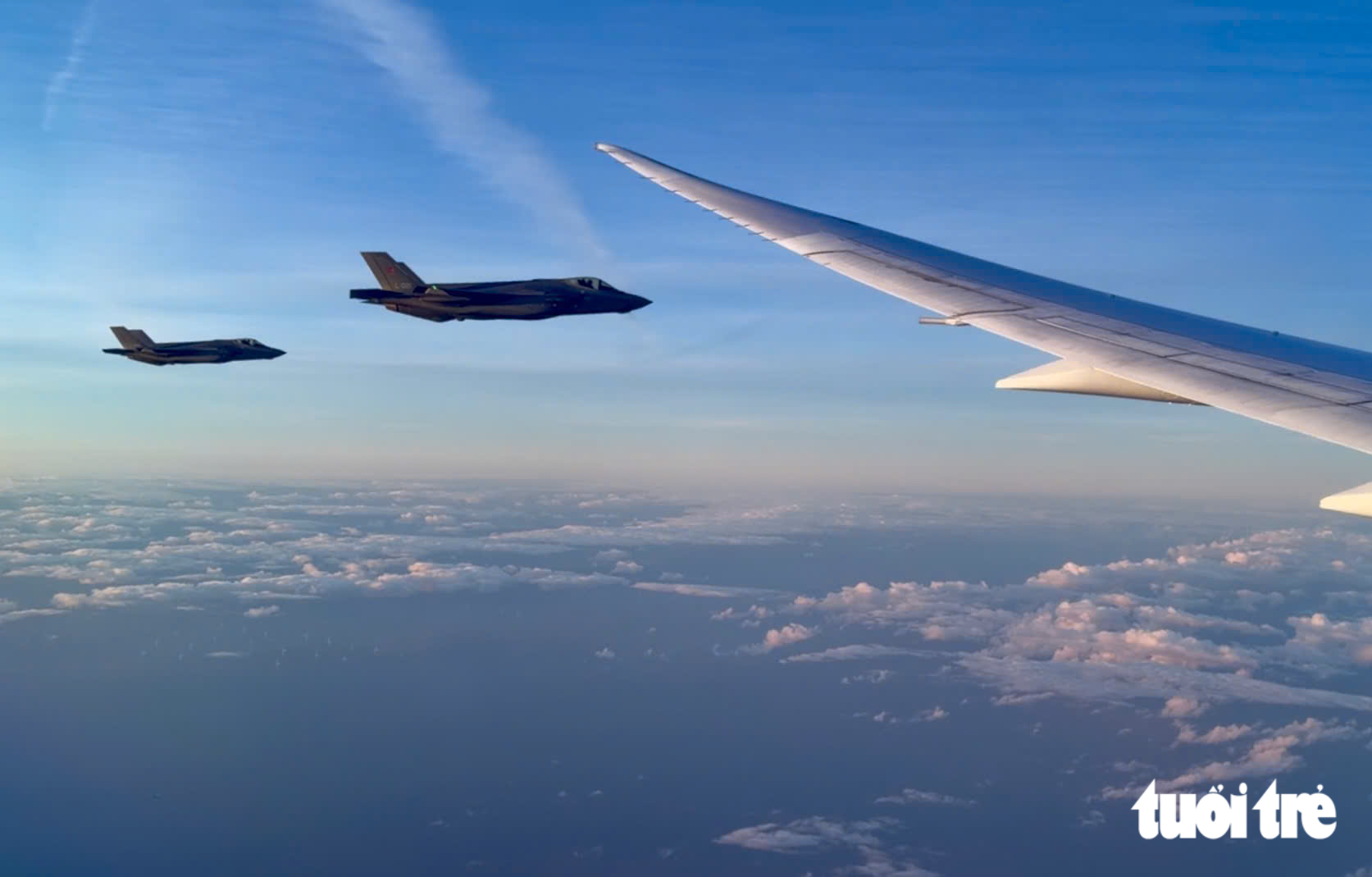
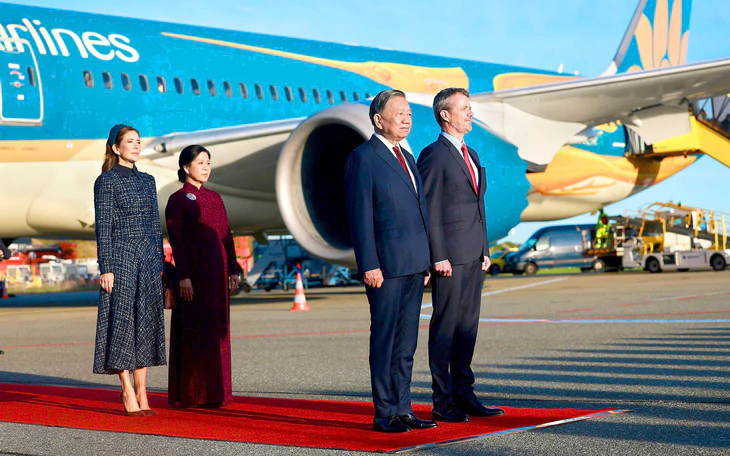
Khi chuyên cơ vào không phận Đan Mạch, nước chủ nhà đã cử tiêm kích hộ tống đoàn đến sân bay quốc tế Copenhagen. Nhà Vua Frederik X và Hoàng hậu Mary đón nhà lãnh đạo Việt Nam ngay tại chân cầu thang máy bay.
Lễ đón được tổ chức trọng thể theo nghi thức cấp Nhà nước ngay tại sân bay, với nghi thức duyệt đội danh dự.
Hai tiêm kích F-35 của Đan Mạch hộ tống chuyên cơ chở Tổng Bí thư, Chủ tịch nước Tô Lâm và Phu nhân Ngô Phương Ly đến sân bay thủ đô Copenhagen an toàn ngày 19-10 - Ảnh: NGUYỄN KHÁNH
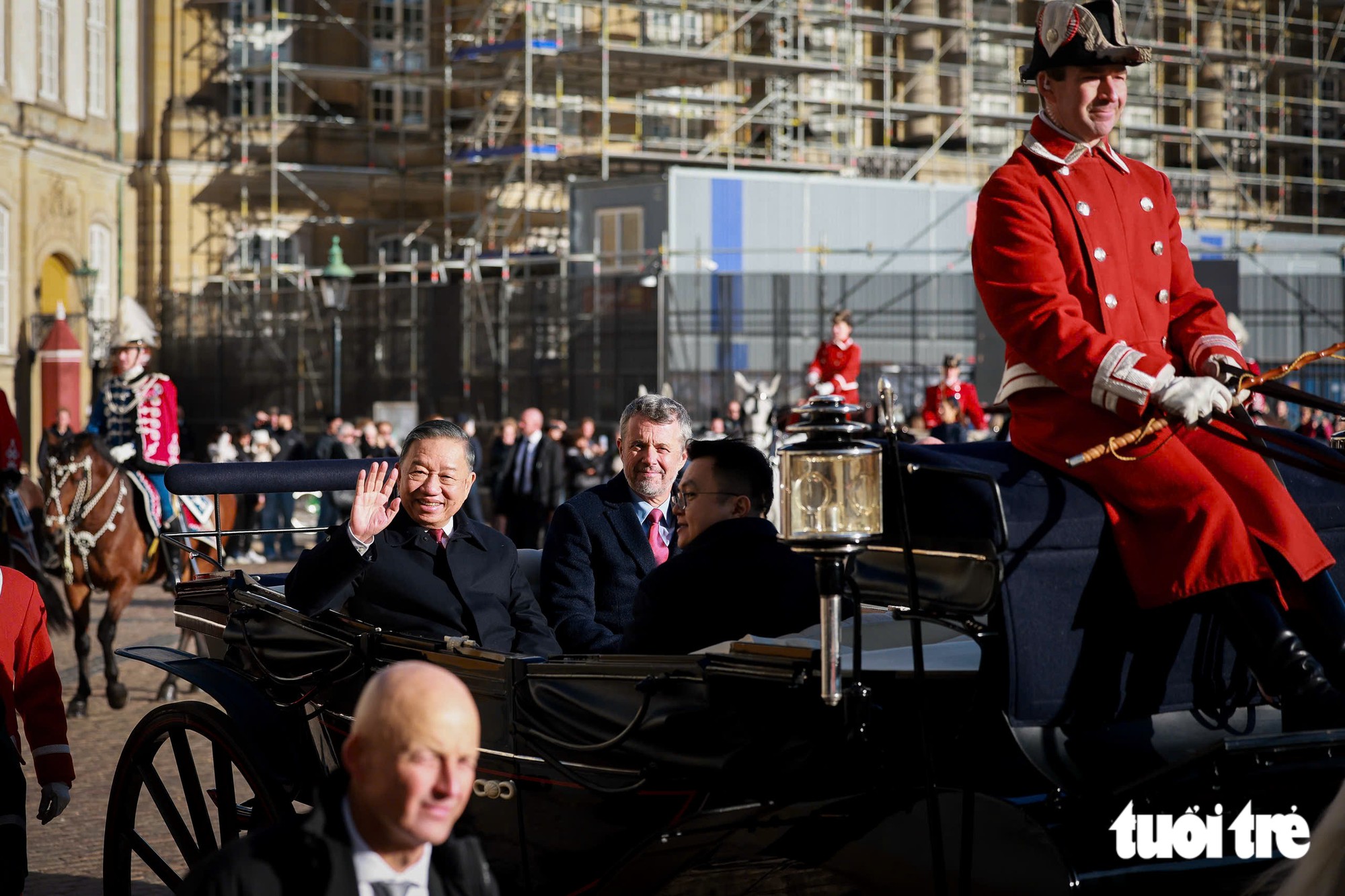
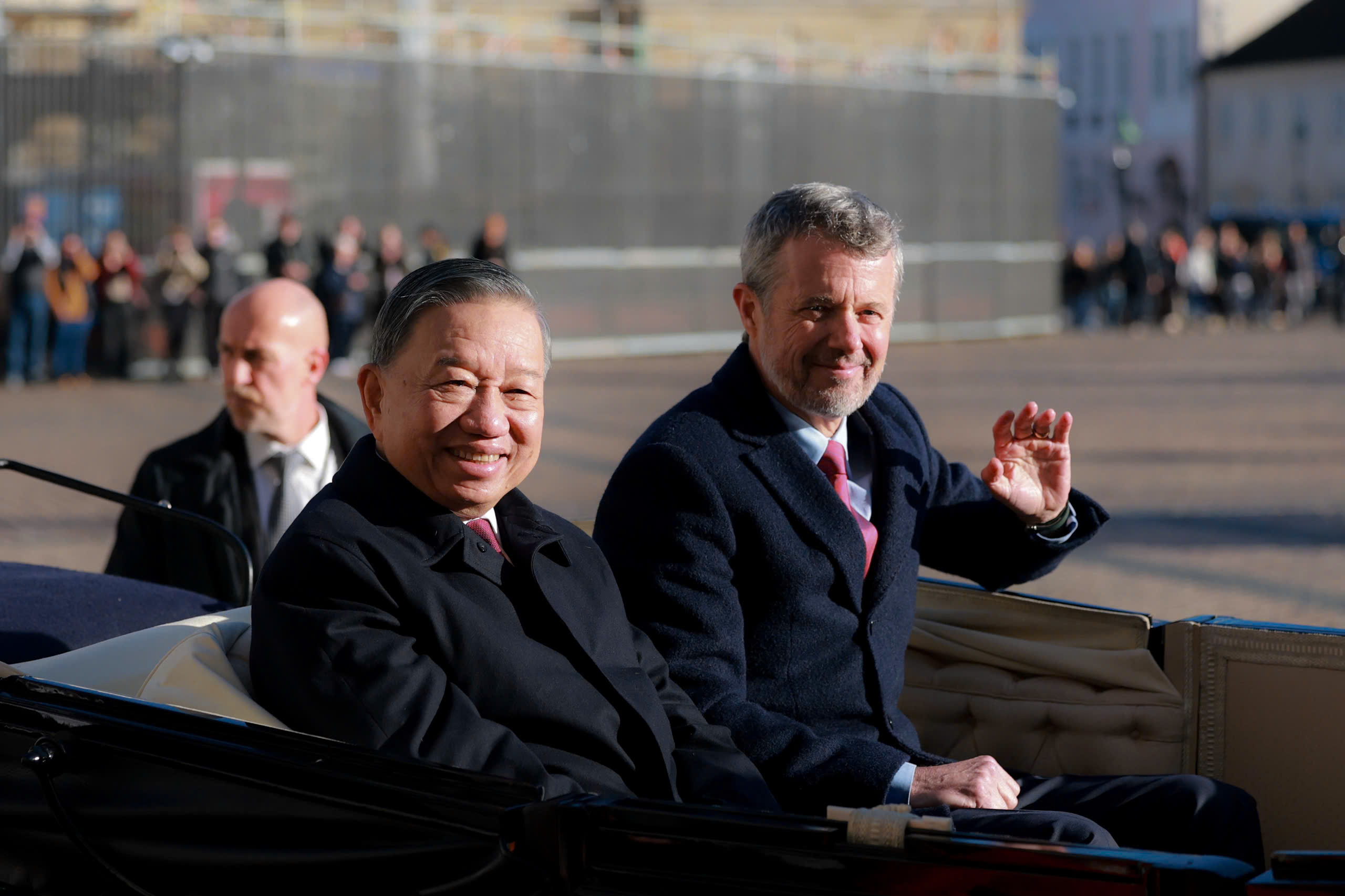
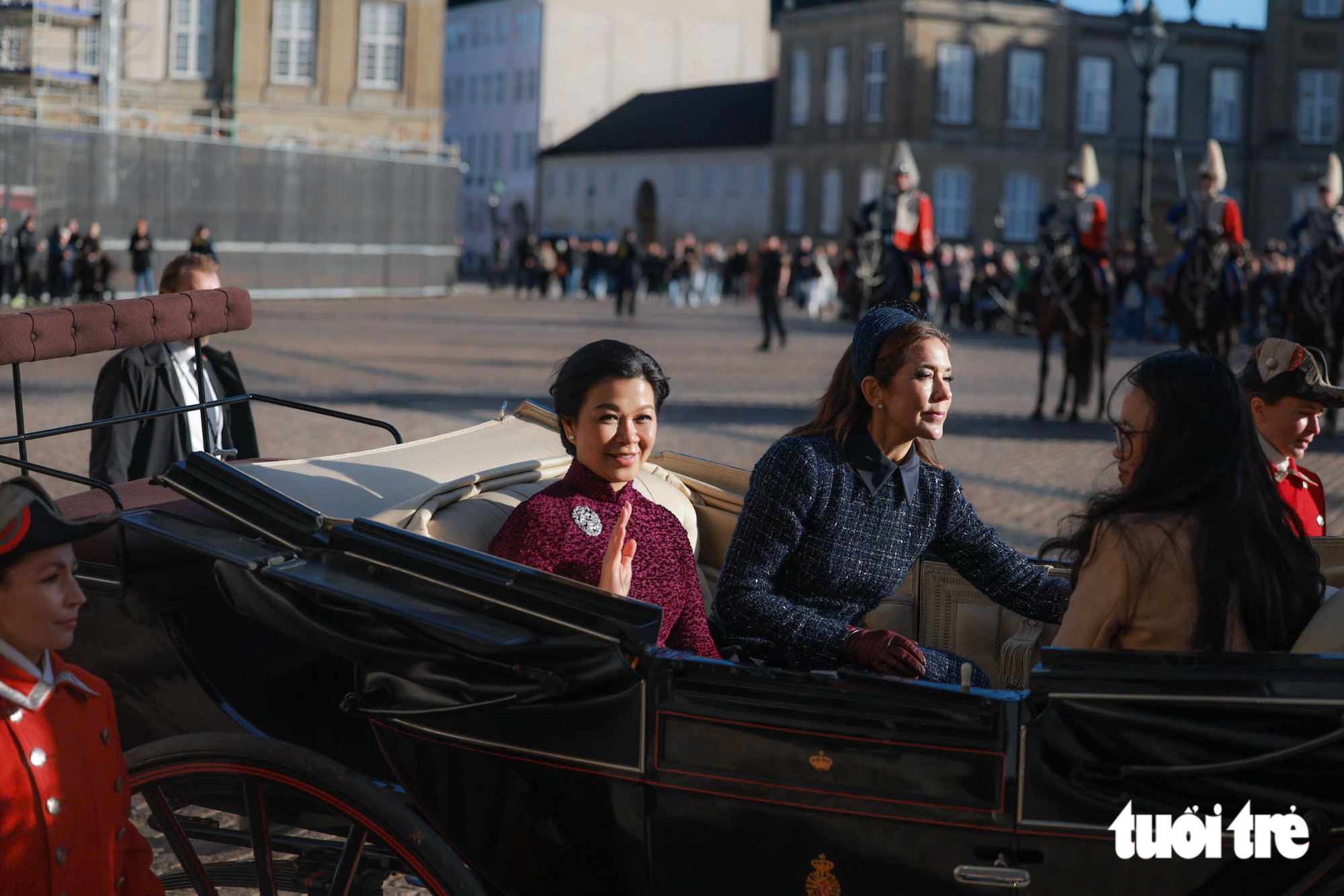
Một trong những điểm nhấn đặc biệt là sự đồng hành của Nhà vua Frederik X và Hoàng hậu Mary cùng Tổng Bí thư, Chủ tịch nước Tô Lâm và Phu nhân trên cỗ xe ngựa trong hành trình di chuyển tới Cung điện Amalienborg. Dọc hai bên đường, đông đảo người dân Đan Mạch có mặt để chứng kiến đoàn di chuyển trong không khí trang trọng.
Đáng chú ý, theo ông Nghị, Đan Mạch đã dành biệt lệ khi Nhà vua Frederik trao tặng Huân chương Voi (Order of the Elephant) - huân chương hoàng gia lâu đời và cao quý nhất của nước này - cho Tổng Bí thư, Chủ tịch nước Tô Lâm.
Hoàng gia Đan Mạch cũng xác nhận đây là một cử chỉ đặc biệt dành cho nhà lãnh đạo Việt Nam trong chuyến thăm lần này.
"Đây là những cử chỉ hết sức hiếm có, vượt ngoài những thông lệ lễ tân ngoại giao của Hoàng gia Đan Mạch", đại sứ Lương Thanh Nghị nhận định.
Tổng Bí thư, Chủ tịch nước Tô Lâm vẫy tay chào khi đến Cung điện Amalienborg - Ảnh: NGUYỄN KHÁNH
Tổng Bí thư, Chủ tịch nước Tô Lâm và Nhà vua Đan Mạch Frederik X ngồi cùng một xe ngựa - Ảnh: NGUYỄN KHÁNH
Phu nhân Ngô Phương Ly và Hoàng hậu Mary của Đan Mạch ngồi cùng một xe ngựa - Ảnh: NGUYỄN KHÁNH
Nhà Vua Frederik X trao tặng Tổng Bí thư, Chủ tịch nước Tô Lâm Huân chương Voi (Order of the Elephant) - huân chương cao quý nhất của Vương quốc Đan Mạch - Ảnh: TTXVN
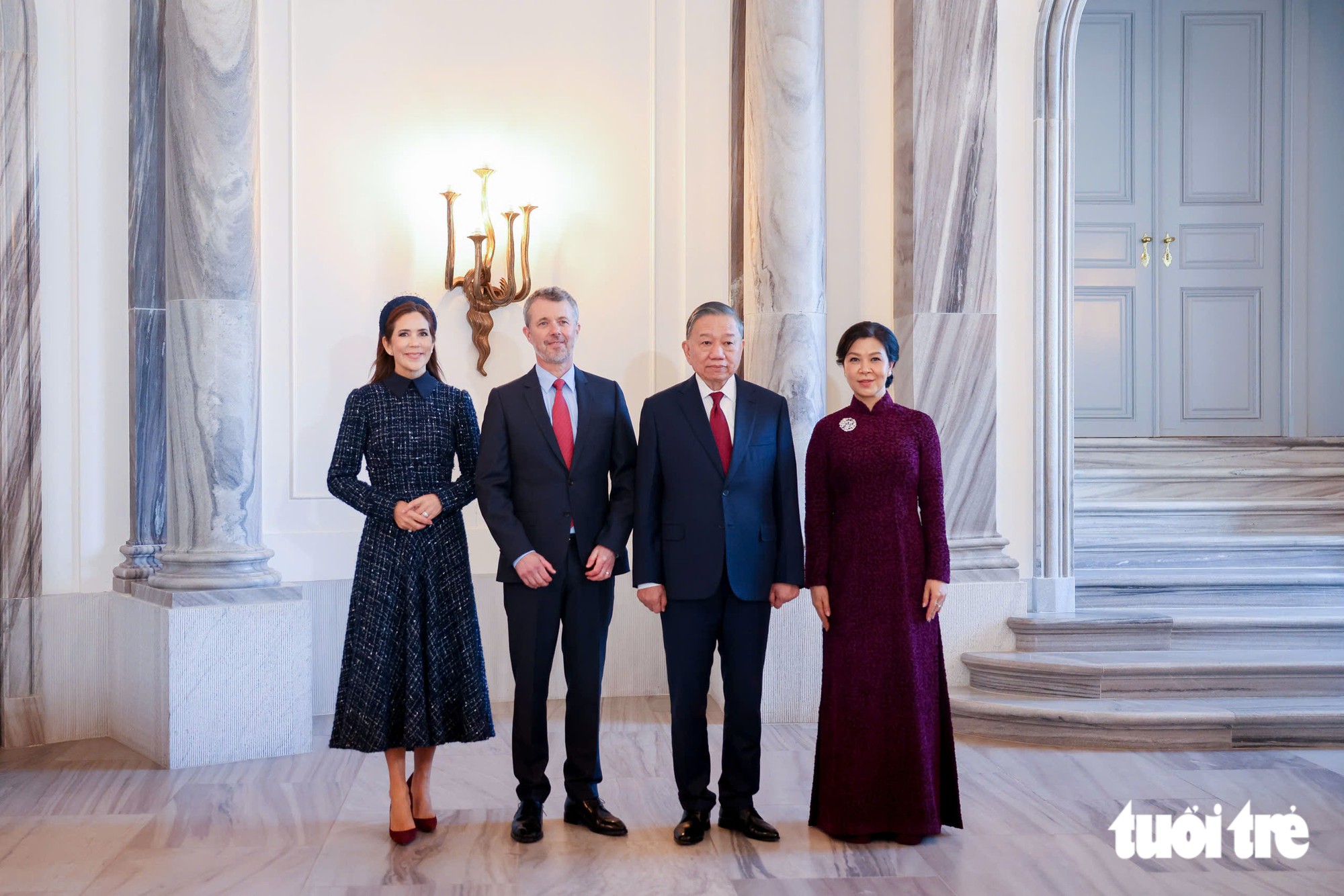
Tổng Bí thư, Chủ tịch nước Tô Lâm và Phu nhân Ngô Phương Ly chụp ảnh cùng Nhà vua Đan Mạch Frederik X và Hoàng hậu Mary sau lễ trao tặng Huân chương Voi - Ảnh: NGUYỄN KHÁNH
Sự đón tiếp của Hoàng gia Đan Mạch thể hiện sự coi trọng của nước này đối với Việt Nam, đặc biệt khi chuyến thăm diễn ra đúng dịp hai nước kỷ niệm 55 năm thiết lập quan hệ ngoại giao.
Những cử chỉ này còn cho thấy tình cảm và sự trân trọng mà Nhà vua, Hoàng hậu dành cho đất nước và con người Việt Nam cũng như cá nhân Tổng Bí thư, Chủ tịch nước Tô Lâm, Phu nhân Ngô Phương Ly và đoàn đại biểu cấp cao.
Mối lương duyên giữa Hoàng gia Đan Mạch và đất nước hình chữ S gắn liền với những ký ức của cố Hoàng thân Henrik, phu quân của Nữ hoàng Margrethe II. Ông từng sống và học tập tại Hà Nội trong những năm 1930 và 1950.
Những kỷ niệm ấy vẫn được các thành viên Hoàng gia gìn giữ qua nhiều thế hệ. Ông Nghị nhớ lại khi trình quốc thư lên Nữ hoàng Margrethe II trong thời gian làm đại sứ, bà đã xúc động nhắc đến những năm tháng gắn bó của Hoàng thân Henrik với Việt Nam, cũng như những ấn tượng đẹp trong chuyến thăm cấp Nhà nước tới Việt Nam năm 2009.
Trong chuyến thăm đó, Nữ hoàng Margrethe II, Hoàng thân Henrik cùng vợ chồng con trai cả là Thái tử Frederik và Công nương Mary (nay là Nhà vua Frederik X và Hoàng hậu Mary) đã đến thăm ngôi nhà tại số 80 Phan Đình Phùng, Hà Nội, nơi lưu giữ nhiều dấu ấn trong cuộc đời Hoàng thân Henrik.
Bản thân Nhà vua Frederik - người đã đến thăm Việt Nam 4 lần - cũng thường xuyên chia sẻ với Đại sứ Lương Thanh Nghị những tình cảm và kỷ niệm sâu sắc với đất nước và con người Việt Nam.
Nhà vua Đan Mạch đánh giá cao tầm nhìn xanh của Việt Nam
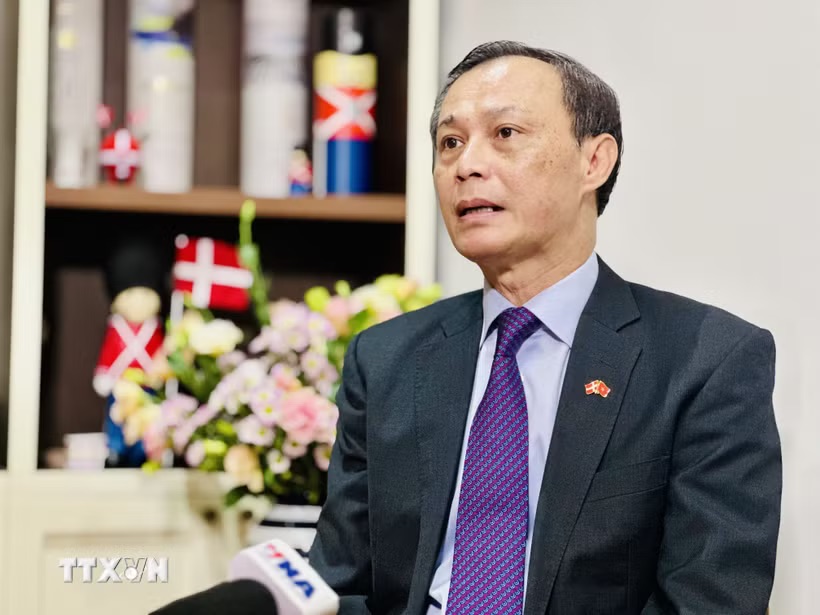
Nguyên Đại sứ Việt Nam tại Đan Mạch Lương Thanh Nghị - Ảnh: TTXVN
Trong hơn nửa thế kỷ qua, quan hệ Việt Nam - Đan Mạch không ngừng phát triển với nhiều cột mốc quan trọng.
Năm 2011, hai nước thiết lập quan hệ Đối tác chiến lược về biến đổi khí hậu, năng lượng, môi trường và tăng trưởng xanh. Đến 2013, quan hệ được nâng cấp lên Đối tác toàn diện. Năm 2023, hai nước tiếp tục thiết lập quan hệ Đối tác chiến lược xanh.
Dù xa xôi về địa lý, nhưng Việt Nam và Đan Mạch lại gắn kết và đồng điệu trong định hướng phát triển xanh.
"Nhà vua Frederik X đặc biệt quan tâm đến chuyển đổi xanh, đồng thời đánh giá cao quyết tâm và khát vọng của Việt Nam trong xây dựng tương lai xanh, phát triển bền vững. Nhà vua cũng là người bảo trợ cho nhiều tổ chức liên quan đến lĩnh vực này tại Đan Mạch", ông Lương Thanh Nghị cho biết.
Theo Đại sứ Nghị, Việt Nam có thể tham khảo mô hình phát triển của Đan Mạch, trong bối cảnh nước ta xác lập mô hình tăng trưởng dựa trên khoa học công nghệ, đổi mới sáng tạo và chuyển đổi số, nhằm nâng cao năng suất lao động, sức cạnh tranh của nền kinh tế.
Dù có diện tích nhỏ, dân số ít, Đan Mạch vẫn có nền khoa học công nghệ tiên tiến, thuộc nhóm dẫn đầu thế giới về GDP/đầu người và trong top 10 thế giới về đổi mới sáng tạo, đi đầu về công nghệ lượng tử và năng lượng tái tạo. Quốc gia Bắc Âu này nổi tiếng với nền quản trị hiện đại, lấy kết quả cuối cùng làm thước đo chính.
Một điểm làm nên thành công của Đan Mạch, theo Đại sứ Lương Thanh Nghị, là tư duy "đồng sáng tạo", với những kinh nghiệm triển khai đối tác công - tư hiệu quả. Trong đó sự liên kết giữa chính phủ với các tổ chức nghiên cứu, doanh nghiệp, người dân đã góp phần nhanh chóng đưa kết quả nghiên cứu vào đời sống.
Thời gian qua, Đan Mạch đã triển khai nhiều dự án tại Việt Nam theo tiêu chuẩn xanh. Nổi bật là nhà máy Lego tại Bình Dương (vốn đầu tư hơn 1 tỉ USD), nhà máy sản xuất trang sức của Pandora.
Trong lĩnh vực cảng biển và logistics, Tập đoàn A.P. Moller - Maersk hợp tác với các đối tác Việt Nam phát triển hạ tầng cảng theo hướng xanh, thông minh.
Theo đại sứ Nghị, trong thời gian tới, hai nước còn nhiều dư địa mở rộng hợp tác, nhất là về năng lượng tái tạo, điện gió ngoài khơi, cảng biển và logistics xanh, cùng các lĩnh vực công nghệ cao như bán dẫn, trí tuệ nhân tạo, công nghệ lượng tử và y sinh.
Lễ đón Tổng Bí thư, Chủ tịch nước Tô Lâm và Phu nhân được tổ chức trọng thể theo nghi thức cấp Nhà nước, ngay sau khi chuyên cơ đến sân bay Copenhagen (Đan Mạch).