Hoa hậu Mexico đăng quang Miss Universe 2025
Ngày 21.11,Hoa hậu Mexico Fatima Bosch đã đăng quang Hoa hậu Hoàn vũ thế giới - Miss Universe 2025.
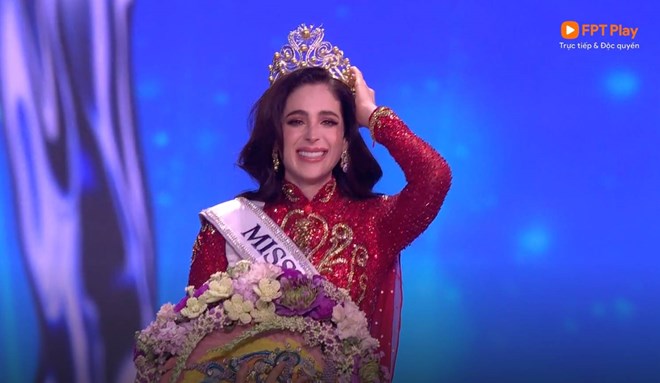
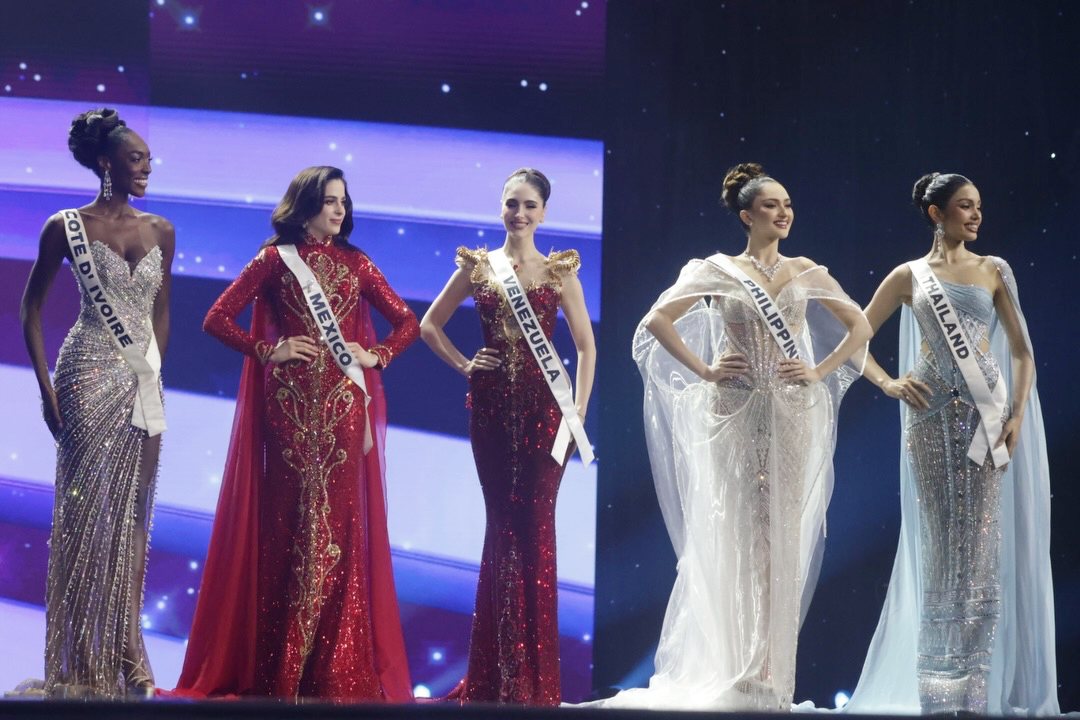
10h55: Miss Universe 2025 gọi tên Hoa hậu Mexico, Á hậu 1 thuộc về Hoa hậu Thái Lan, Á hậu 2 thuộc về Hoa hậu Venezuela, Á hậu 3 thuộc về Hoa hậu Philippines, Á hậu 4 thuộc về Hoa hậu Côte d'Ivoire.
10h35: 5 thí sinh chia sẻ quan điểm, góc nhìn cá nhân và dự định họ sẽ làm nếu trở thành Miss Universe 2025.
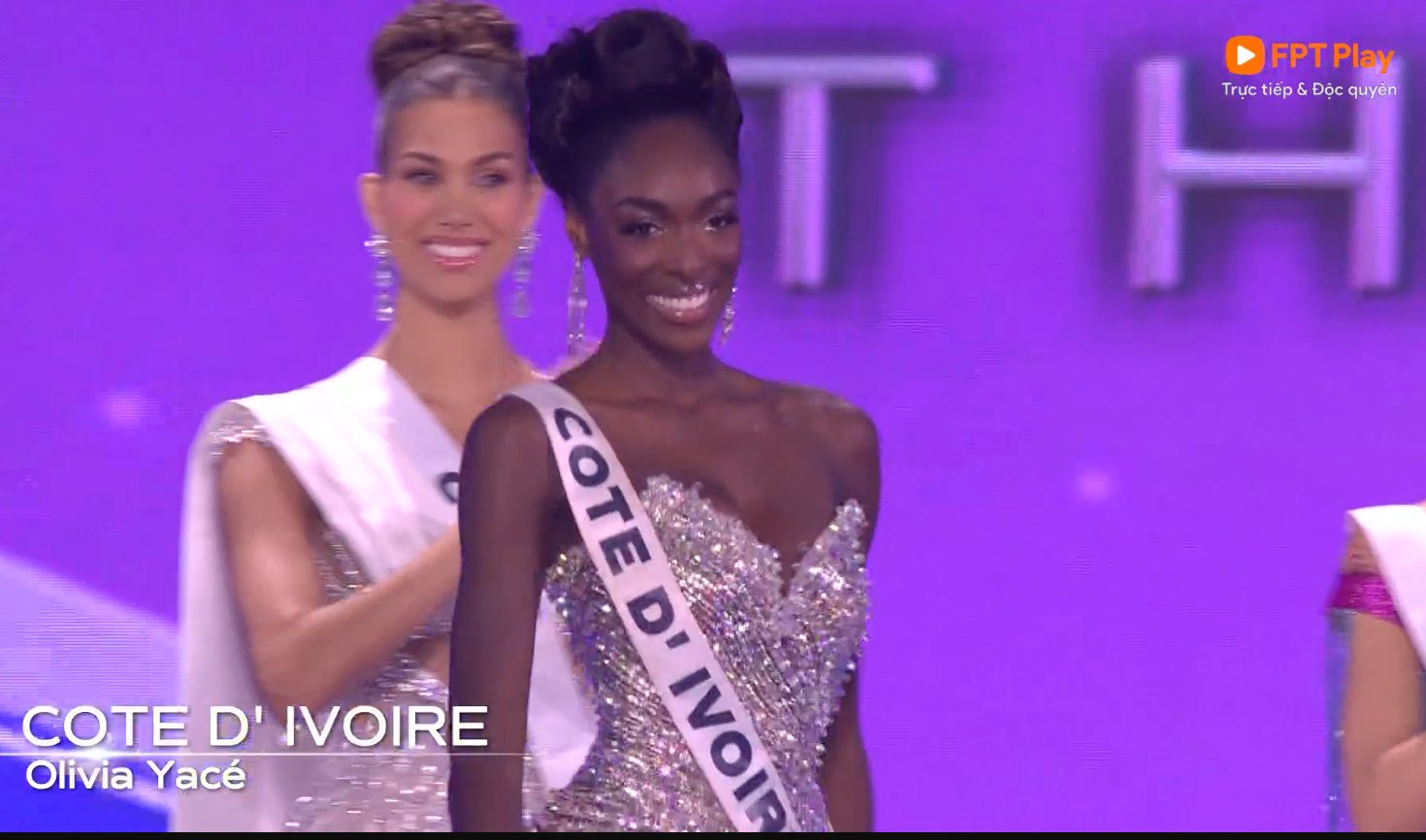
Câu trả lời của Côte d'Ivoire nhận được sự ủng hộ lớn bởi đúng trọng tâm và cụ thể. Hoa hậu Côte d'Ivoire muốn trở thành hình mẫu lý tưởng của một người phụ nữ có sức ảnh hưởng toàn cầu, cô sẽ tỏa sáng ở cả những nơi mà cô không thuộc về.
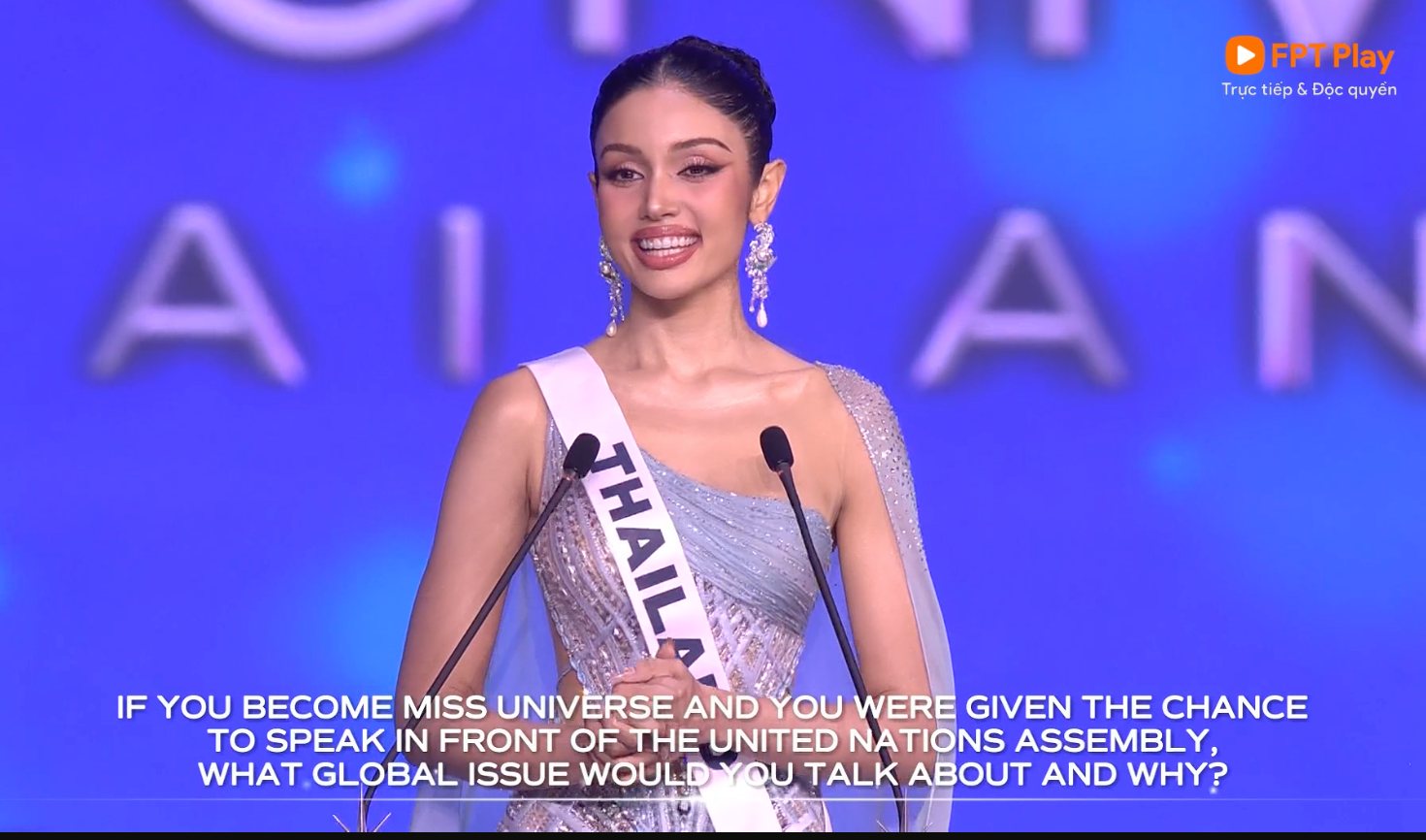
10h22: Hoa hậu Thái Lan là thí sinh đầu tiên bước vào phần thi ứng xử. Mỗi thí sinh có 30 giây để thể hiện quan điểm của mình. Đại diện đến từ Thái Lan trả lời câu hỏi về việc sẽ sử dụng hình ảnh để tìm quyền bình đẳng cho phụ nữ trên toàn thế giới.
Hoa hậu Philippines muốn dùng hình ảnh, sức lan tỏa của mình để tạo nên sự khác biệt. Hoa hậu Venezuela chia sẻ quan điểm văn hóa làm nên sự khác biệt trong cuộc sống.
Hoa hậu Mexico muốn dùng giọng nói để tạo nên sự thay đổi cho phụ nữ trên toàn thế giới và cô đứng ở sân khấu Miss Universe 2025 để tạo nên dấu ấn lịch sử cho sự thay đổi đó.
Hoa hậu Côte d'Ivoire mong muốn mọi cô gái hãy yêu bản thân mình trước, trở thành phiên bản hoàn hảo nhất là cách để giáo dục thế hệ tiếp nối.
Top 5 đều tự tin trả lời câu hỏi ứng xử, đúng trọng tâm và được khán giả hưởng ứng nhiệt tình.
10h16: Top 5 trình diễn catwalk trước khi bước vào phần thi ứng xử. Các cô gái phô diễn đường cong hình thể cuốn hút, tự tin trước thời khắc quan trọng, được mong chờ nhất.
10h05: Phần thi trang phục dạ hội đầy thanh lịch và kiêu sa đã khép lại, để lại những dấu ấn khó quên. 12 cô gái đã thể hiện trọn vẹn sự duyên dáng, sức hút và thần thái của một nữ hoàng sắc đẹp. Tuy nhiên, chỉ có 5 người xuất sắc nhất mới có cơ hội tiến gần hơn đến vương miện.
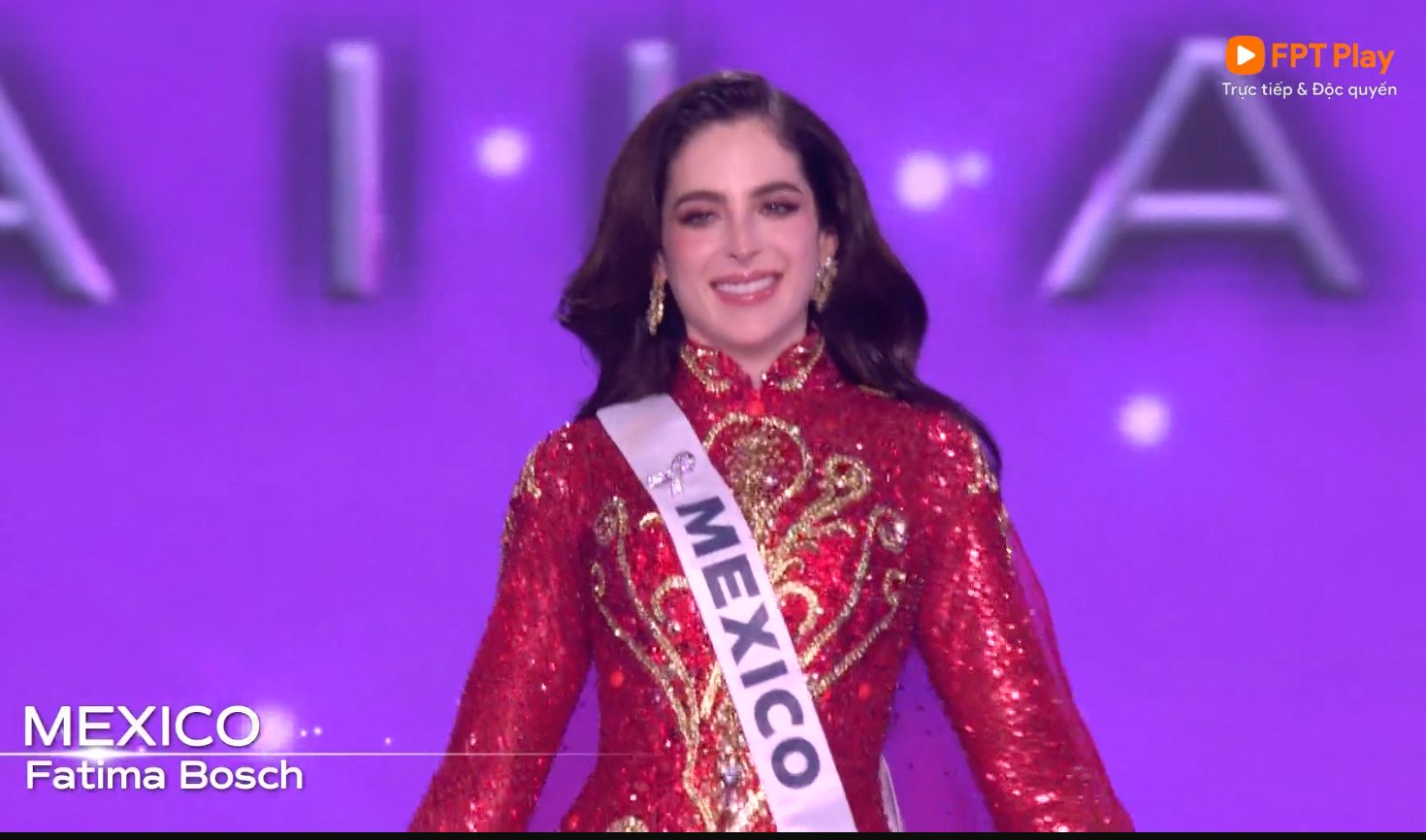
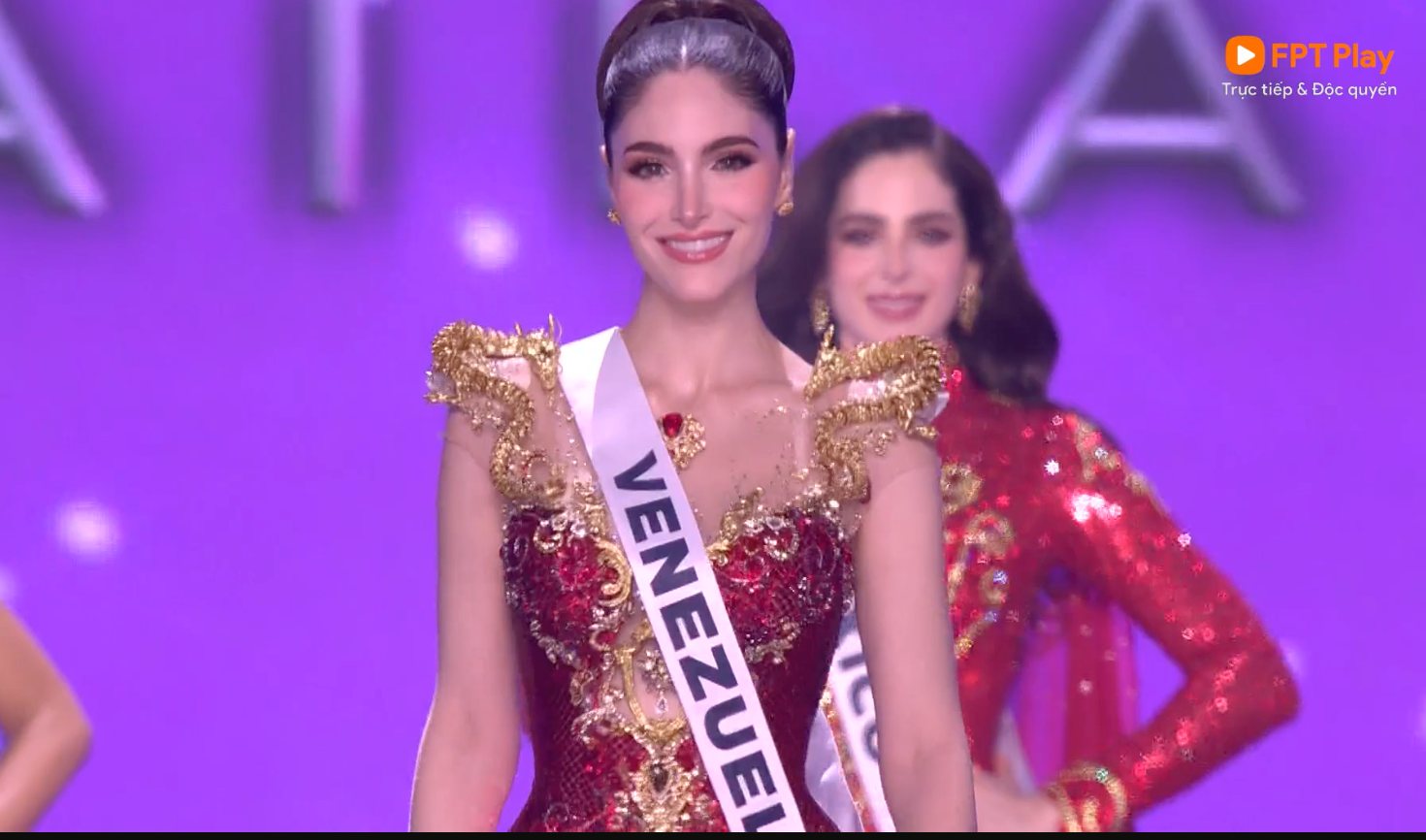
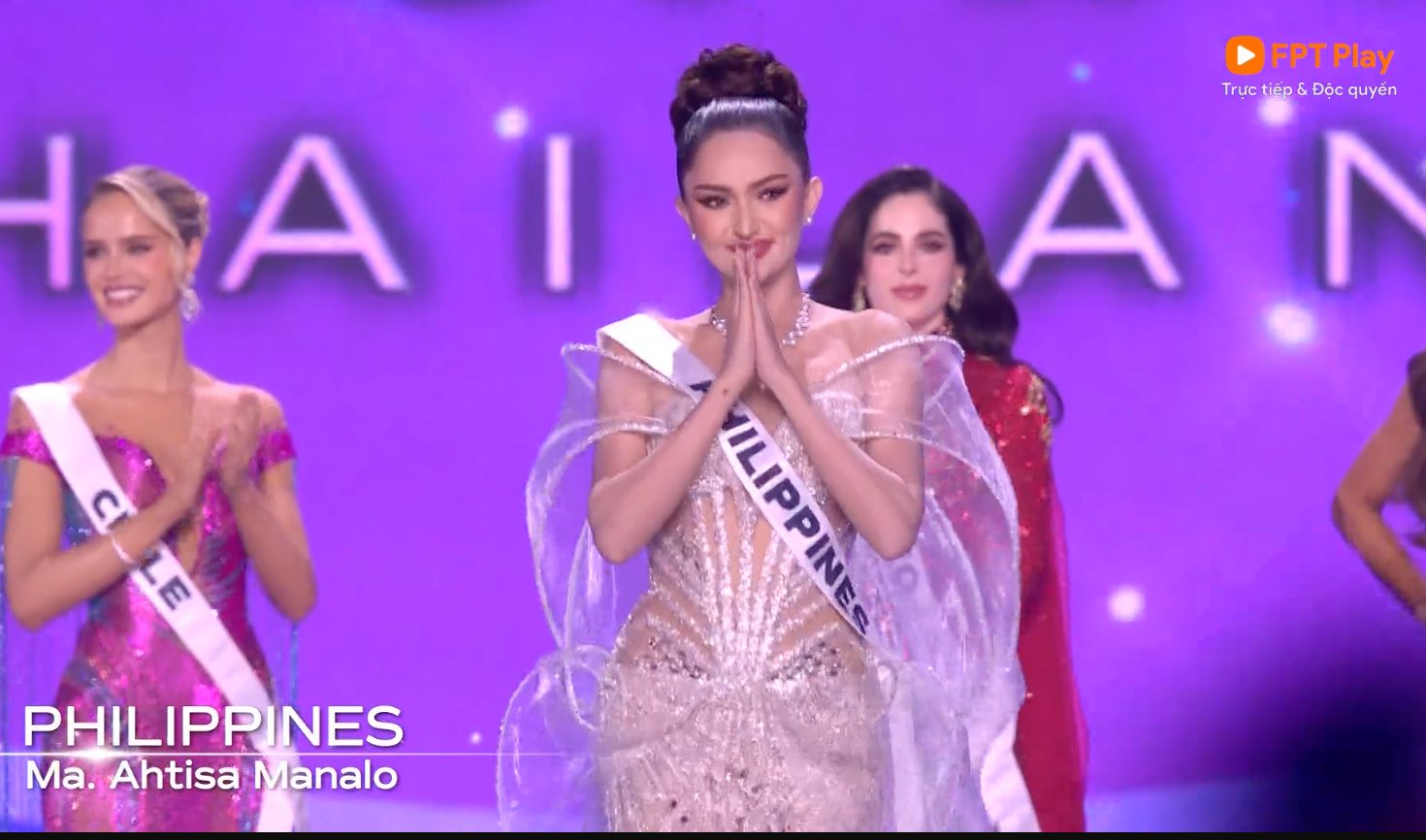
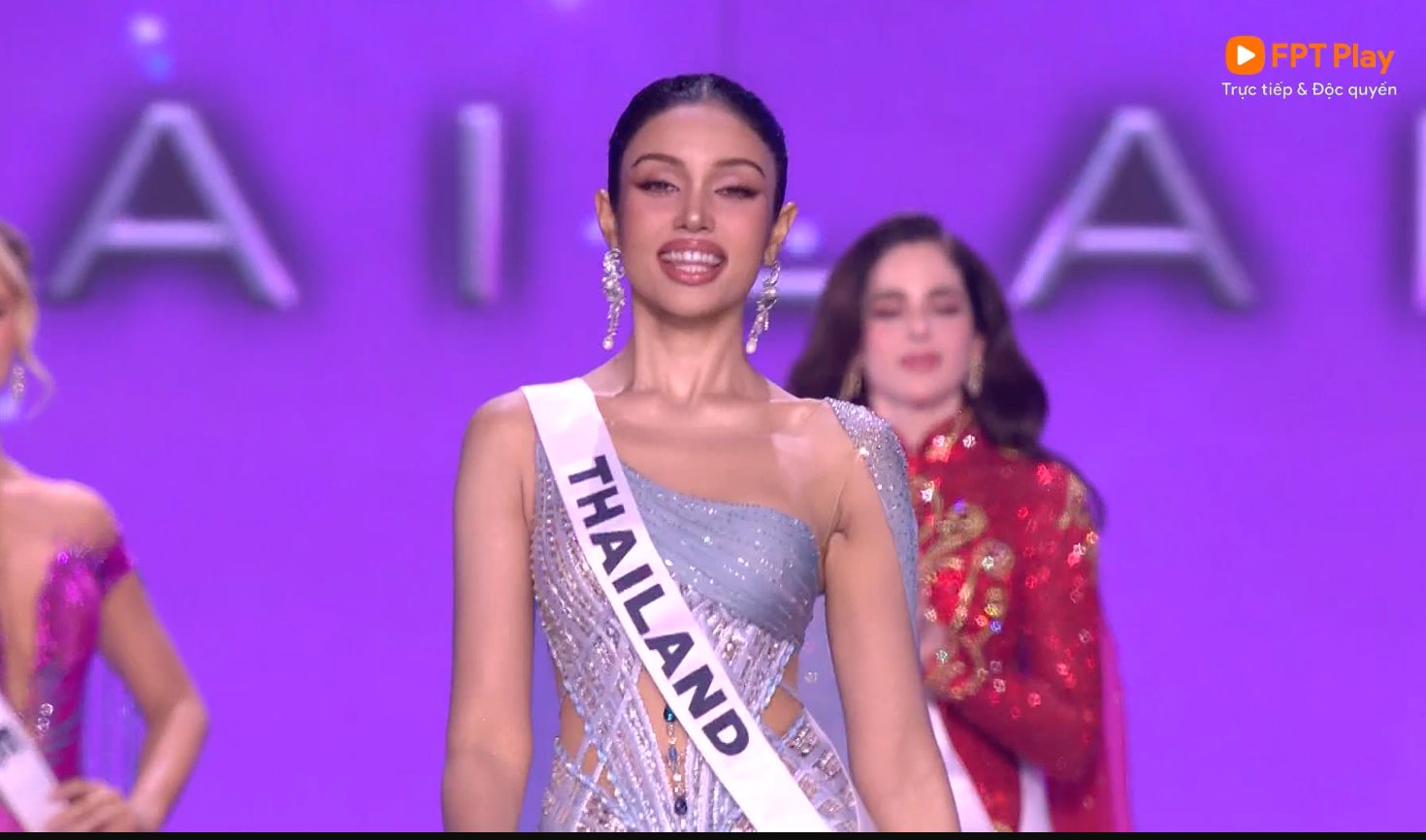
9h45: Top 12 tham dự phần thi trang phục dạ hội. 12 người đẹp lộng lẫy trong những bộ cánh thướt tha, tỏa sáng trên sân khấu.
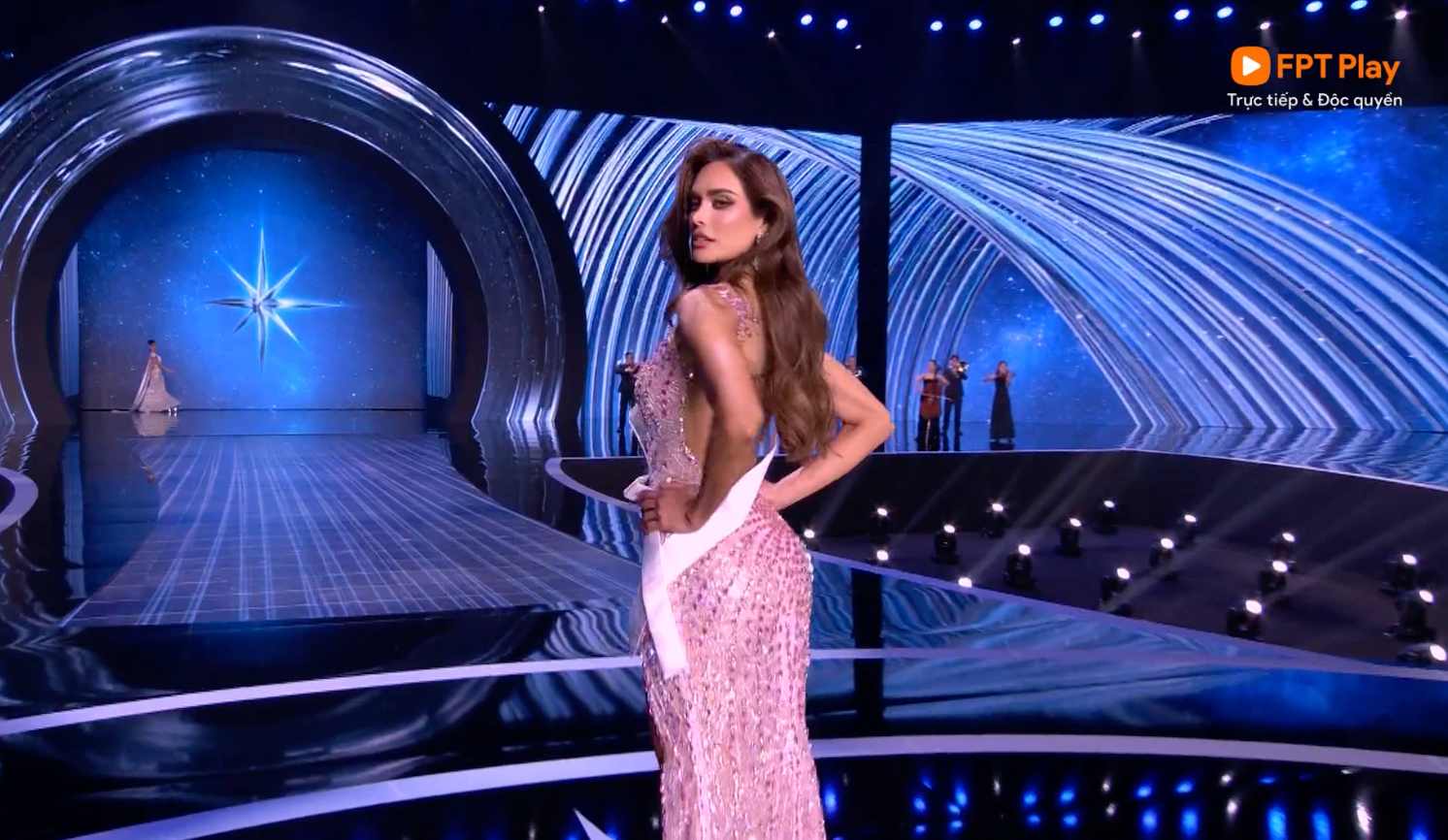
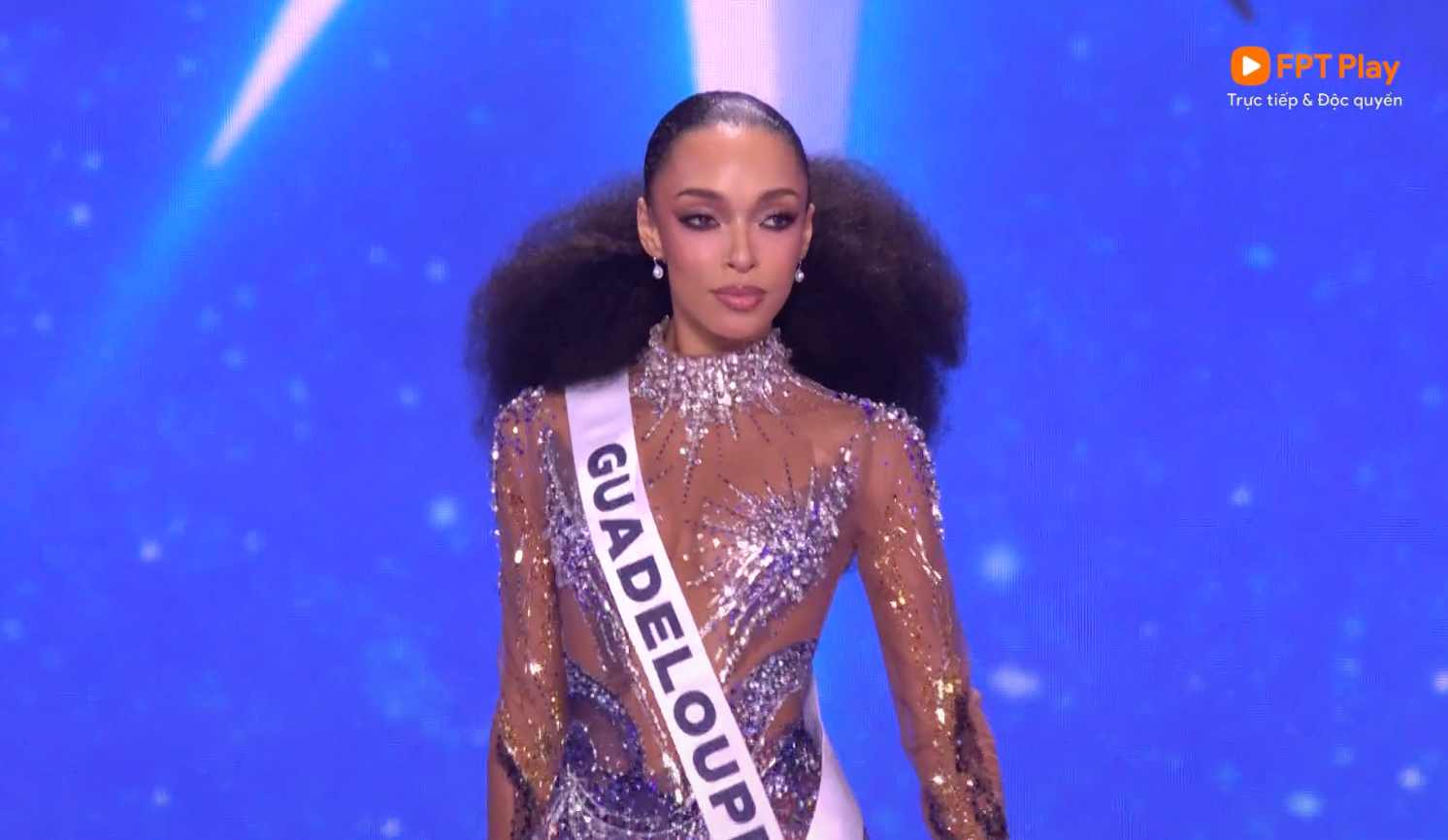
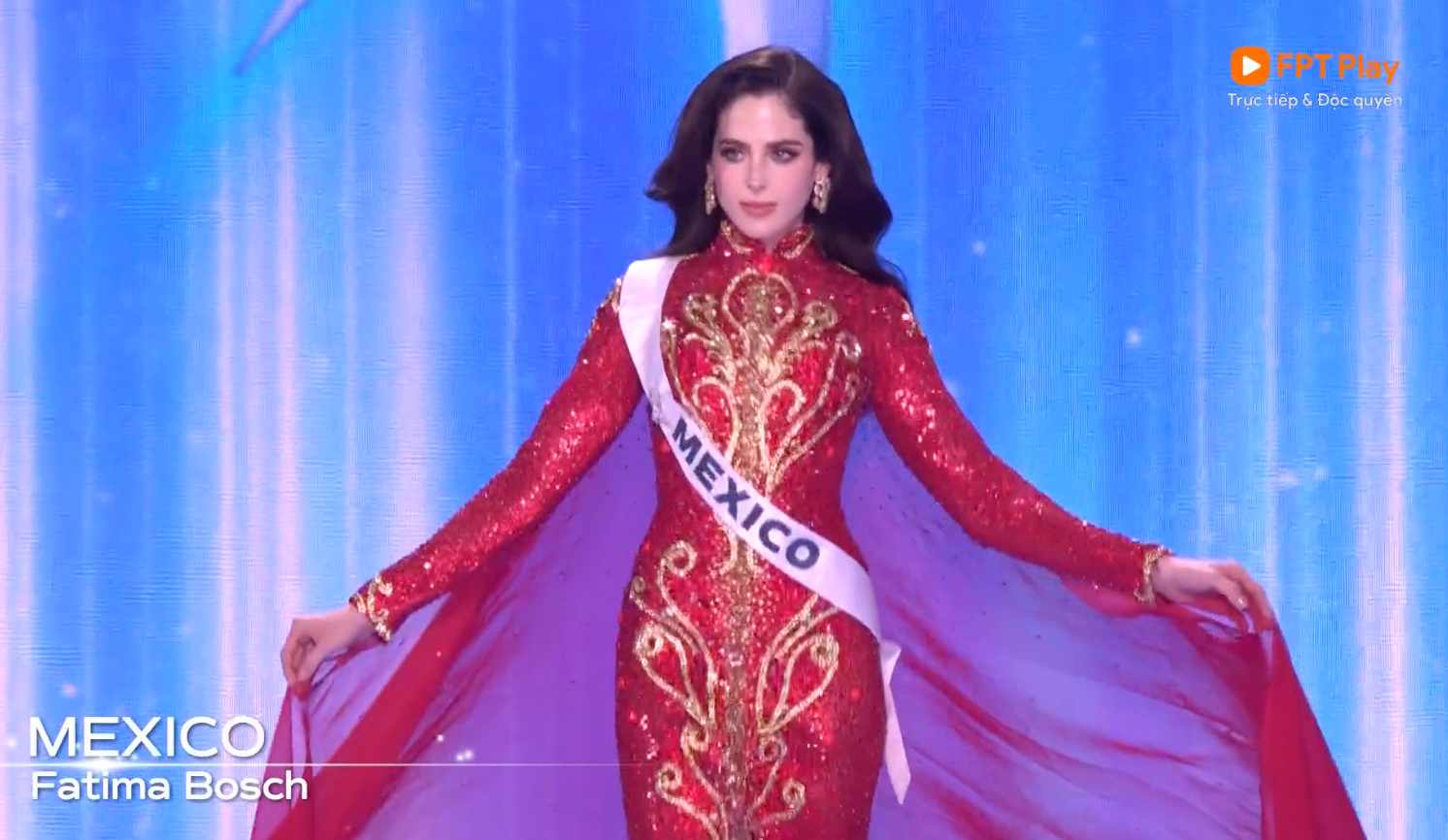
9h20: Hành trình chinh phục vương miện Miss Universe 2025 gần tìm được ra chủ nhân xứng đáng. Từ hơn 100 nữ hoàng sắc đẹp đại diện cho các nền văn hóa, khát vọng và tiếng nói trên khắp thế giới, chỉ có 12 người xuất sắc nhất được trao cơ hội bước tiếp. Đây là khoảnh khắc hồi hộp tột độ, chứng kiến sự sàng lọc khốc liệt của một cuộc thi nhan sắc tầm cỡ.
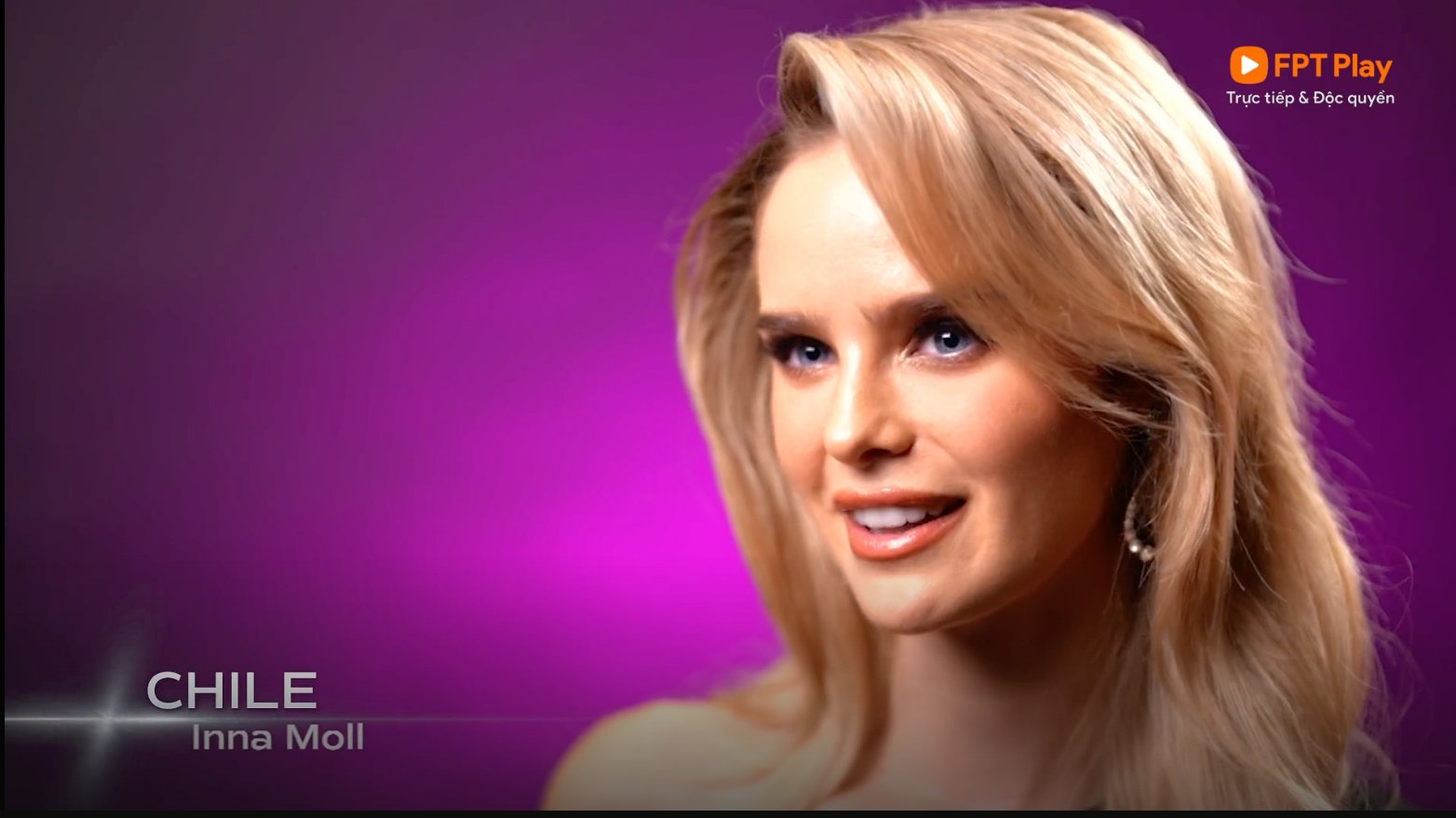
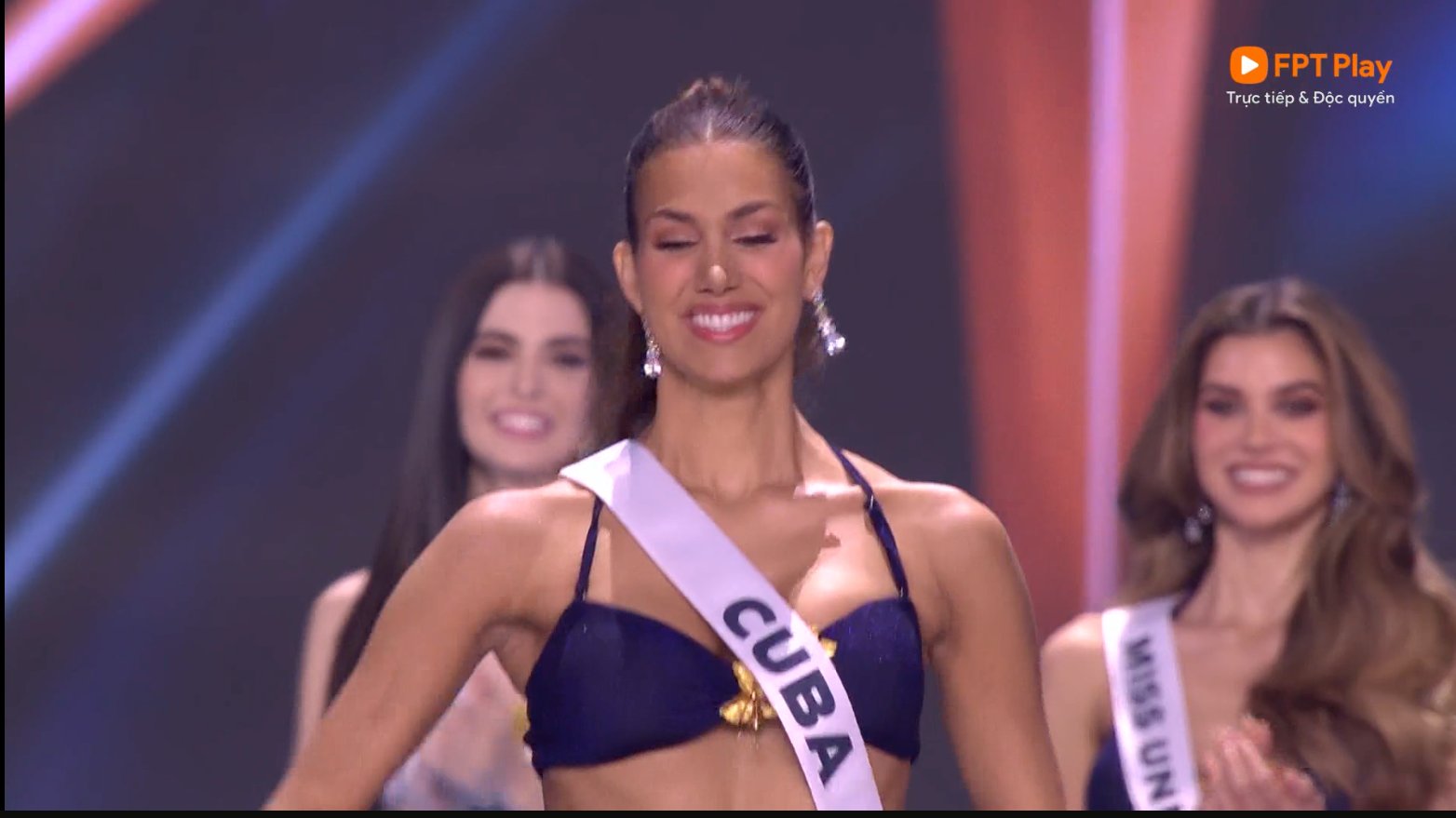
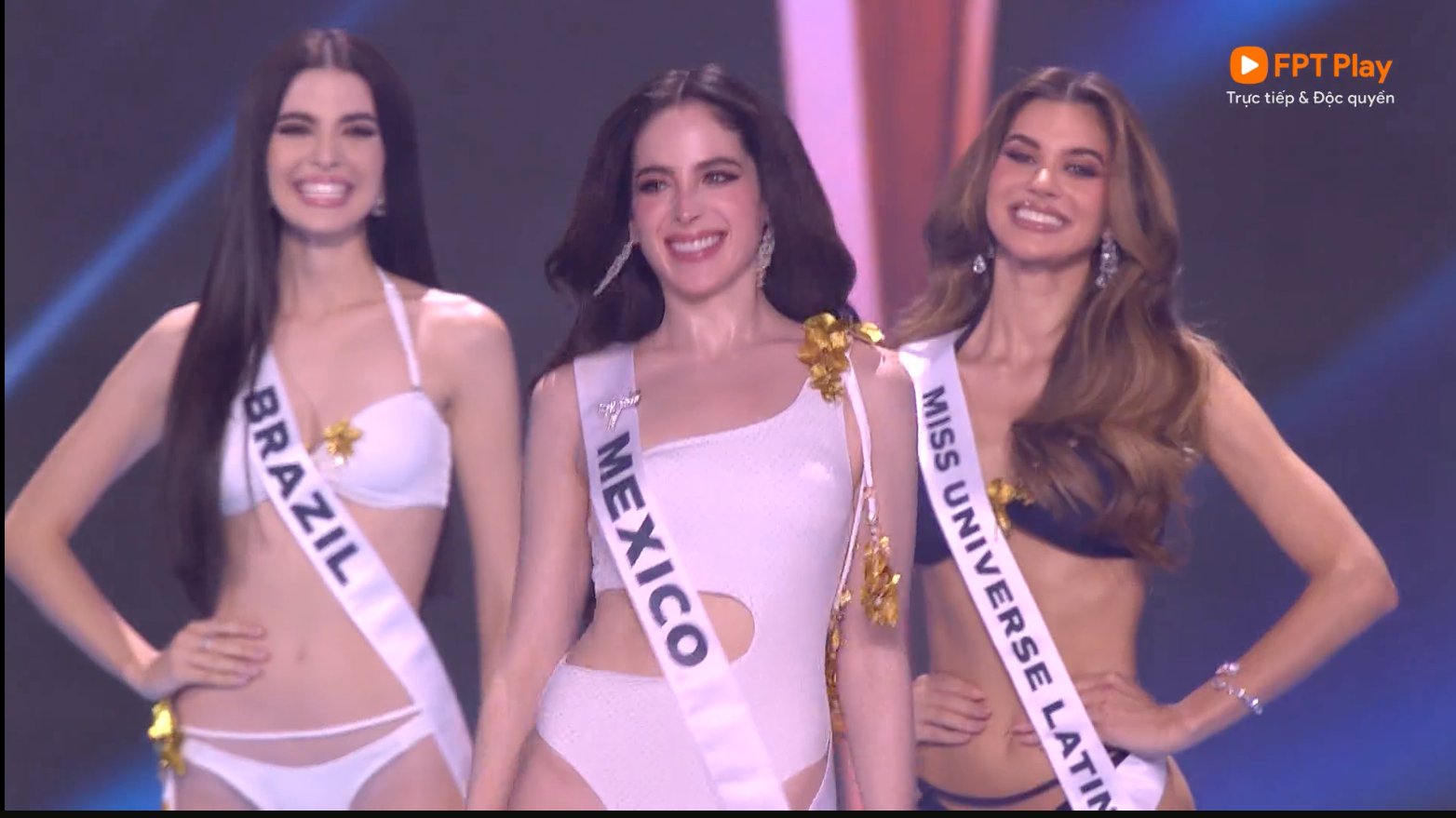
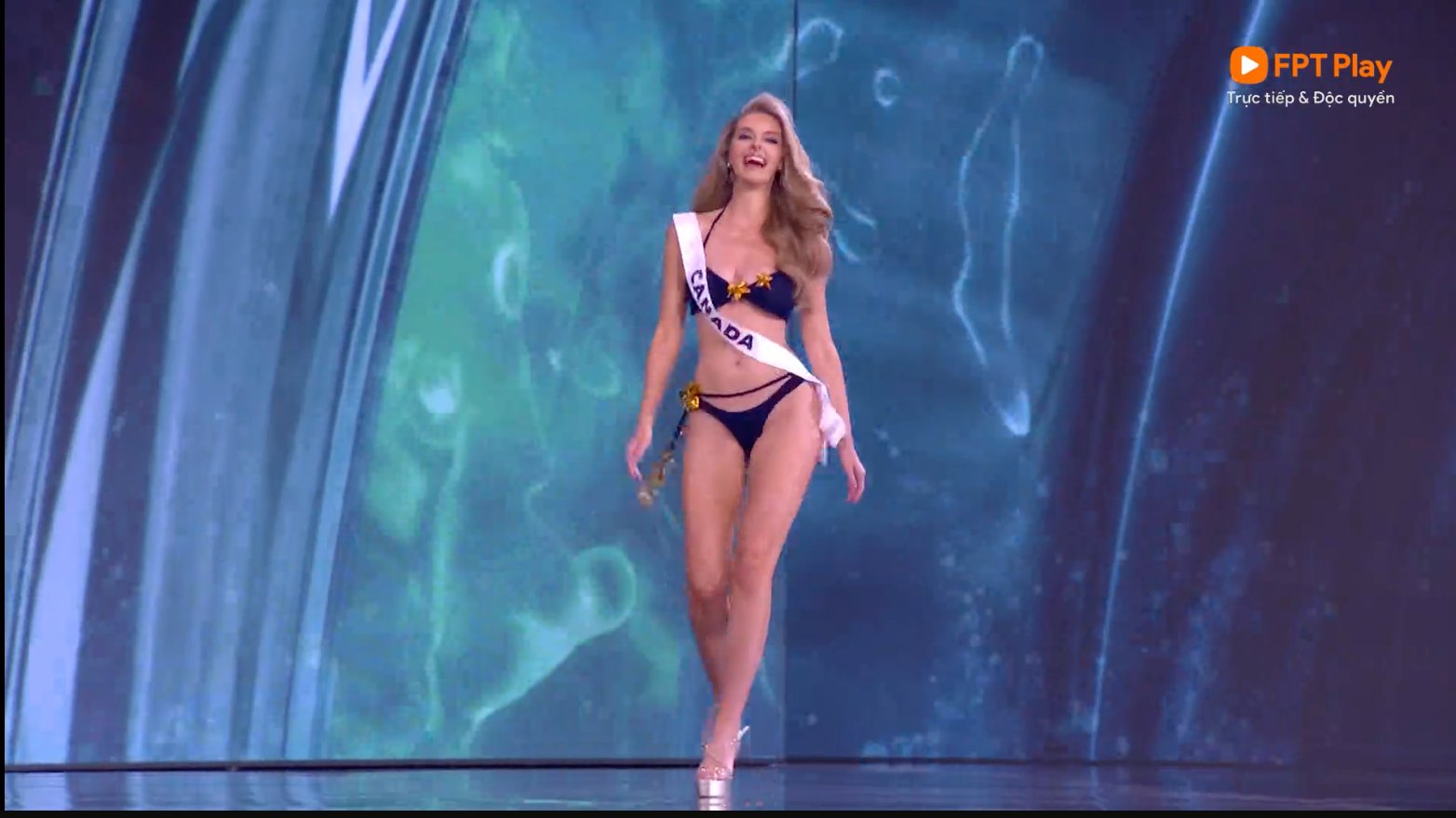
8h53: Sức nóng của cuộc thi bắt đầu lan tỏa khi chỉ còn Top 30 chiến binh sắc đẹp bước vào phần trình diễn được mong đợi nhất: Áo tắm.
Không chỉ là màn khoe đường cong rực lửa, đây là lúc đại diện các quốc gia bùng nổ năng lượng, phô diễn trọn vẹn sự quyến rũ, mạnh mẽ và tự tin, đúng với tinh thần của một cuộc thi nhan sắc tầm cỡ.
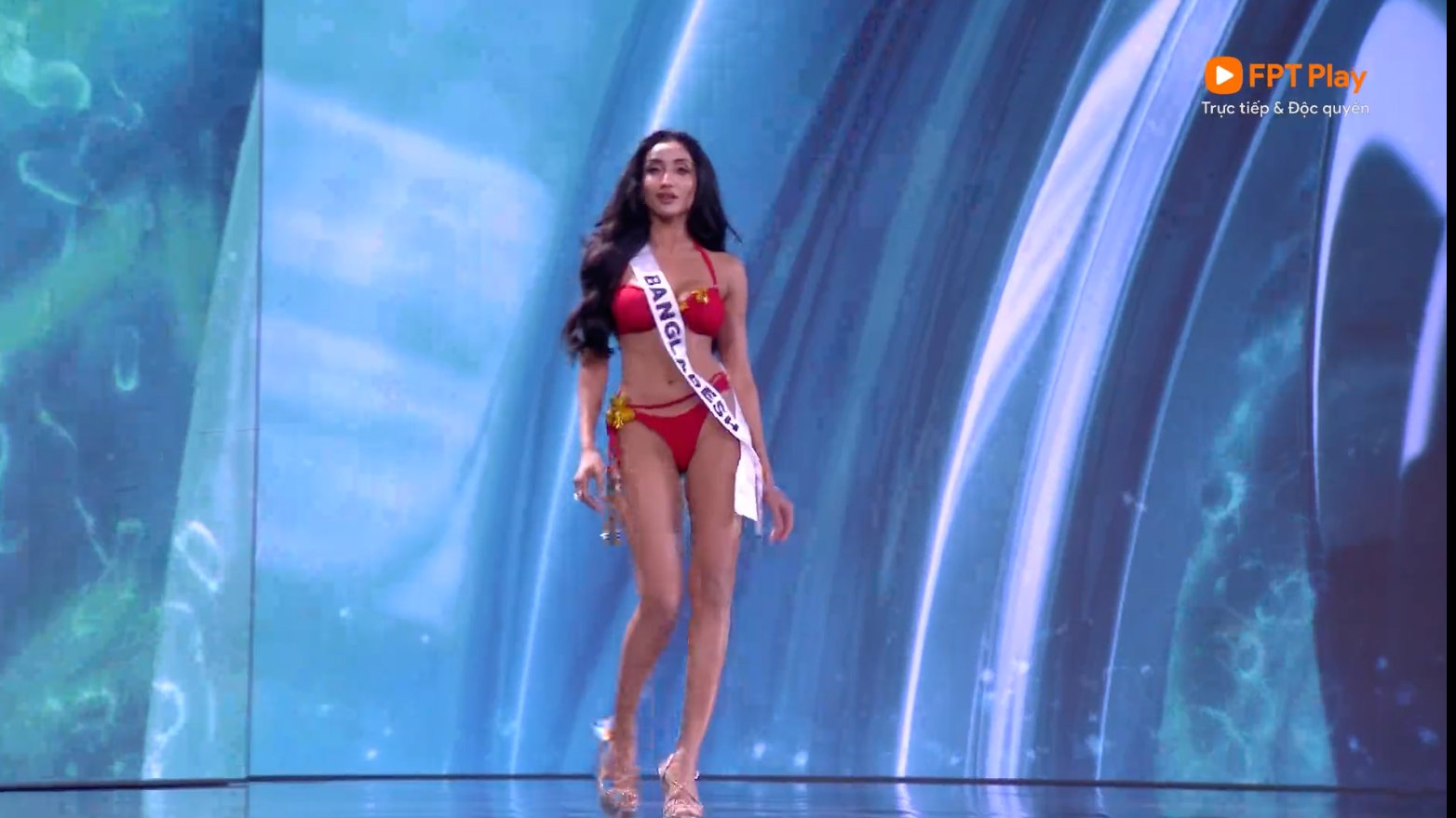
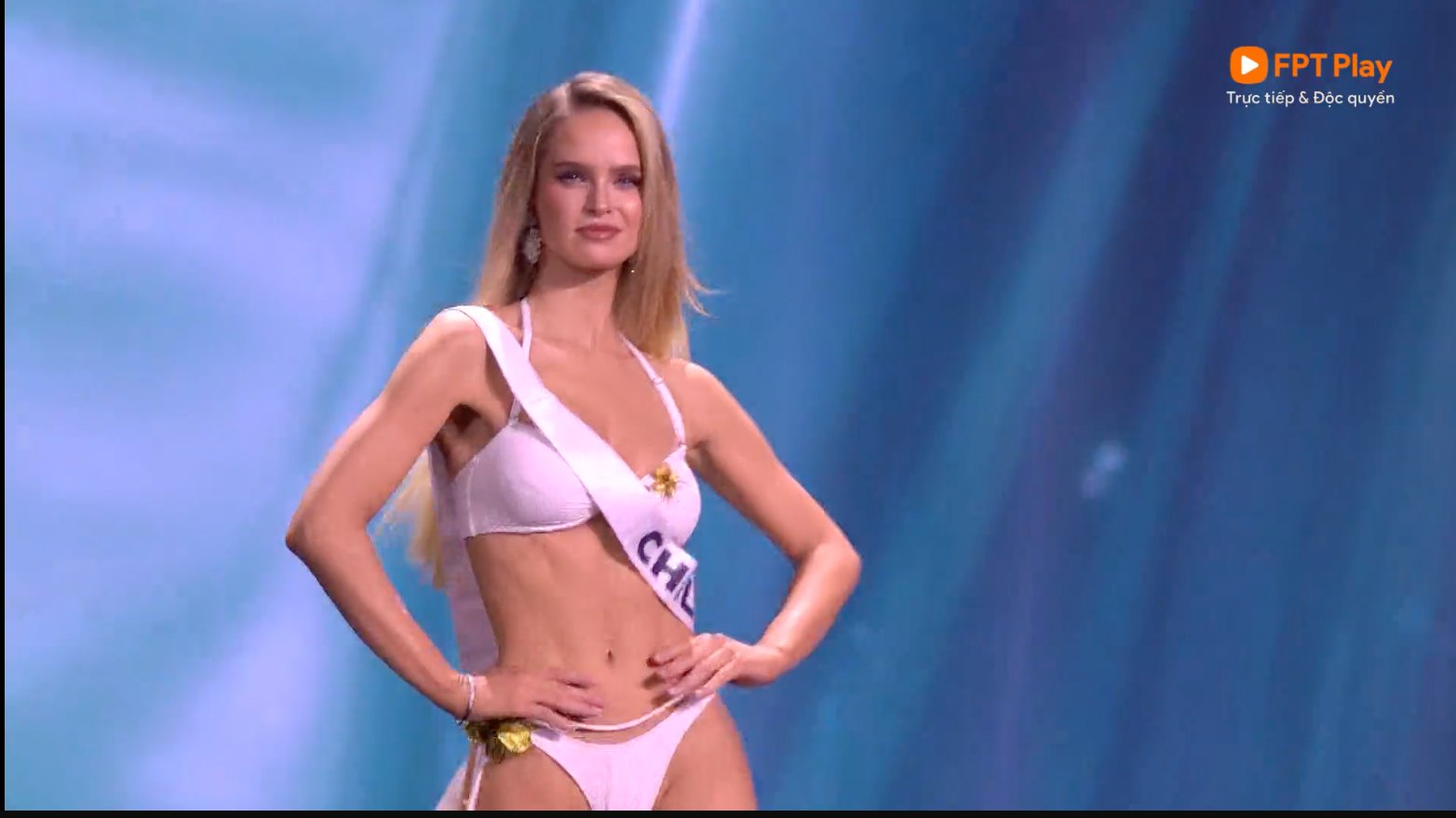
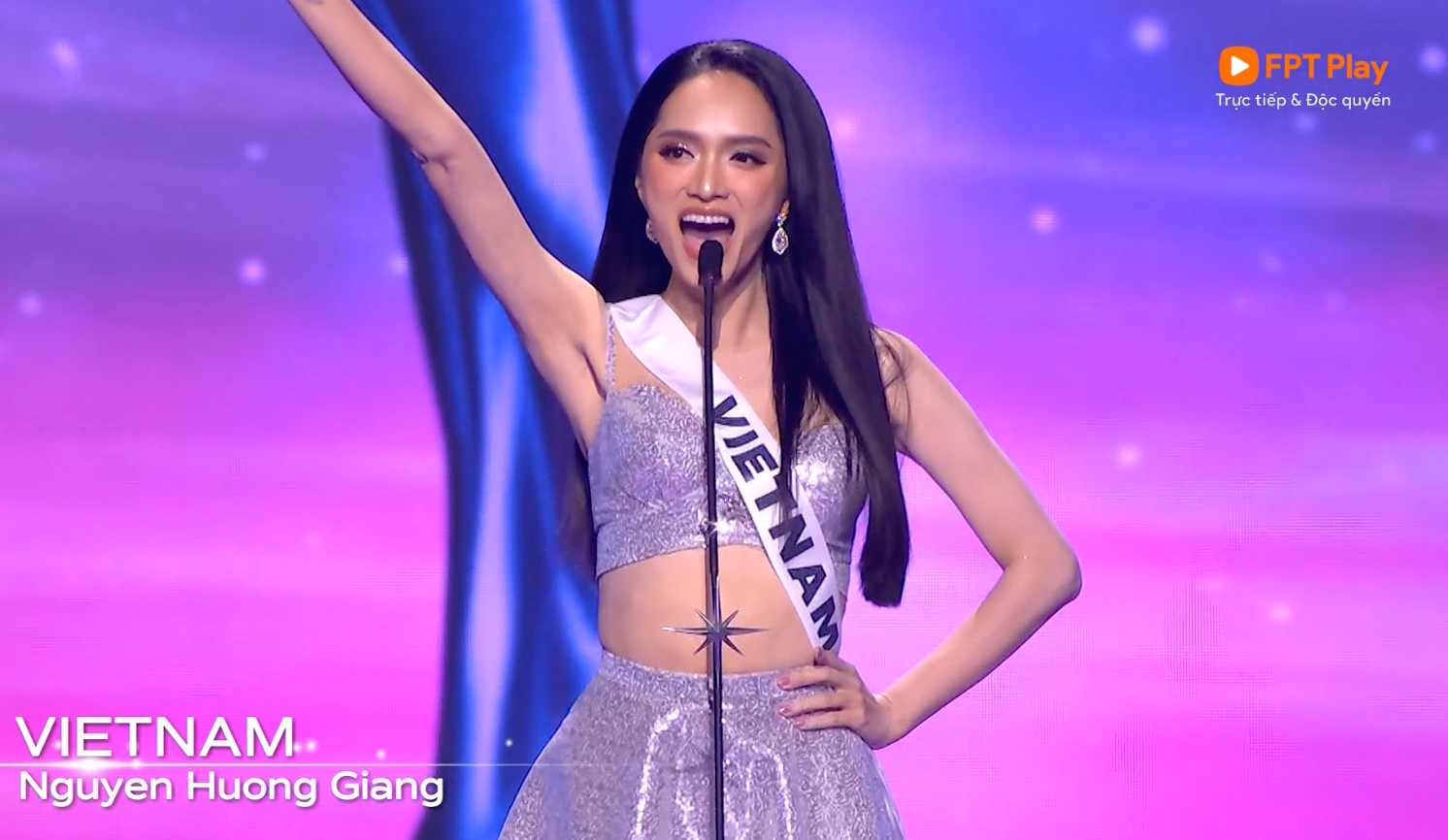
8h43: Hương Giang chính thức bị loại. Người đẹp đại diện Việt Nam không được hô tên ở top 30 chung cuộc.
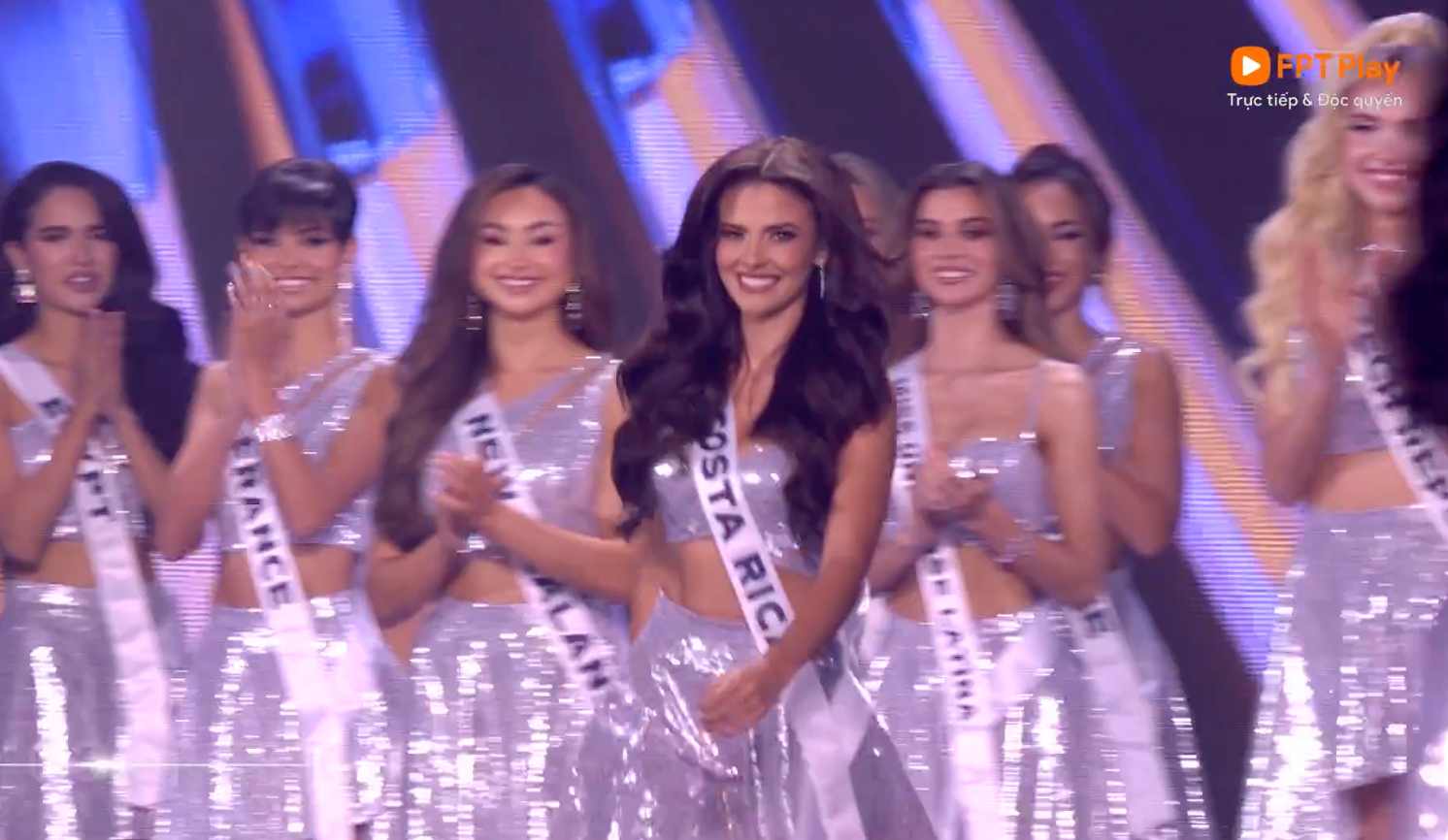
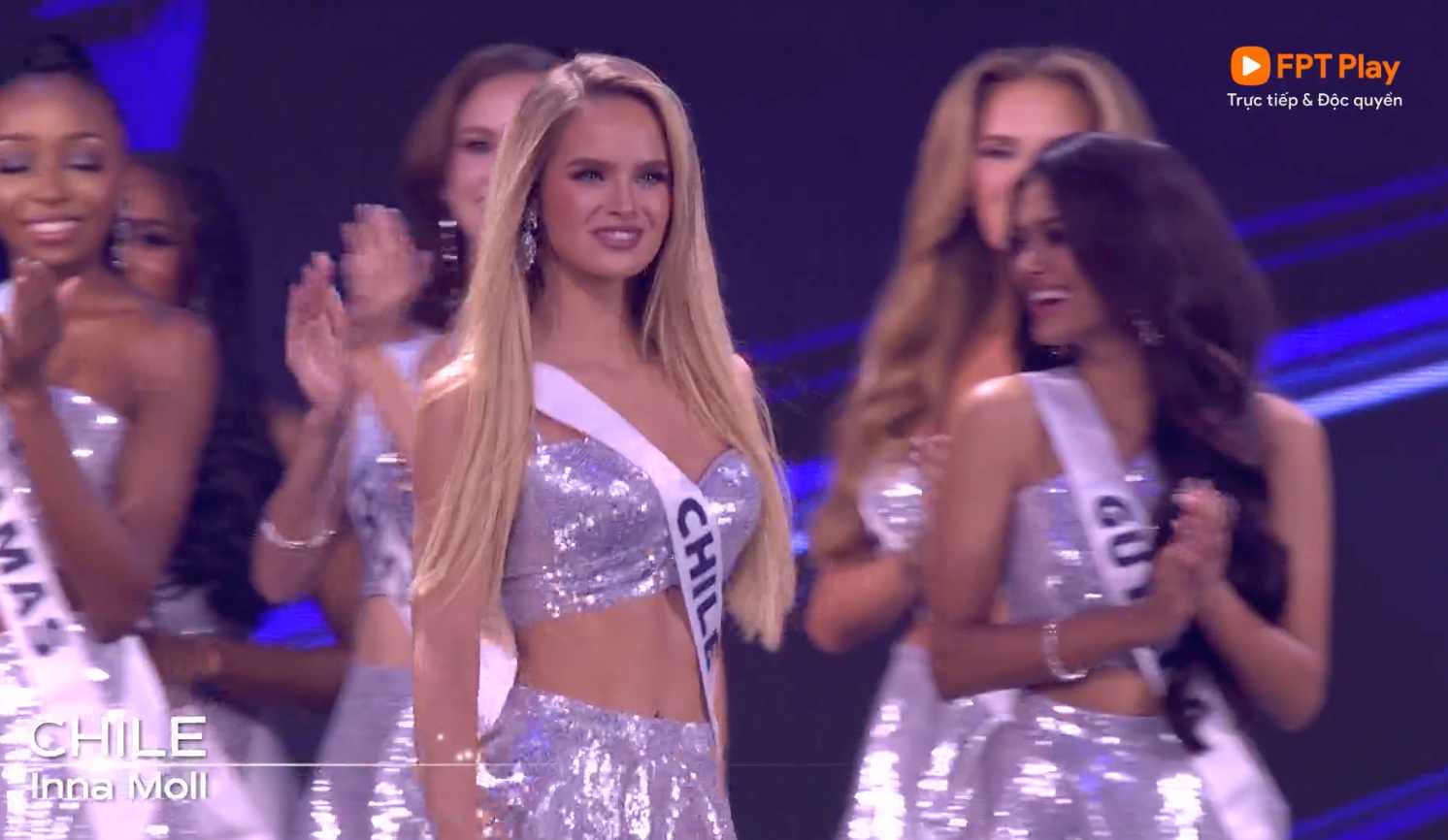
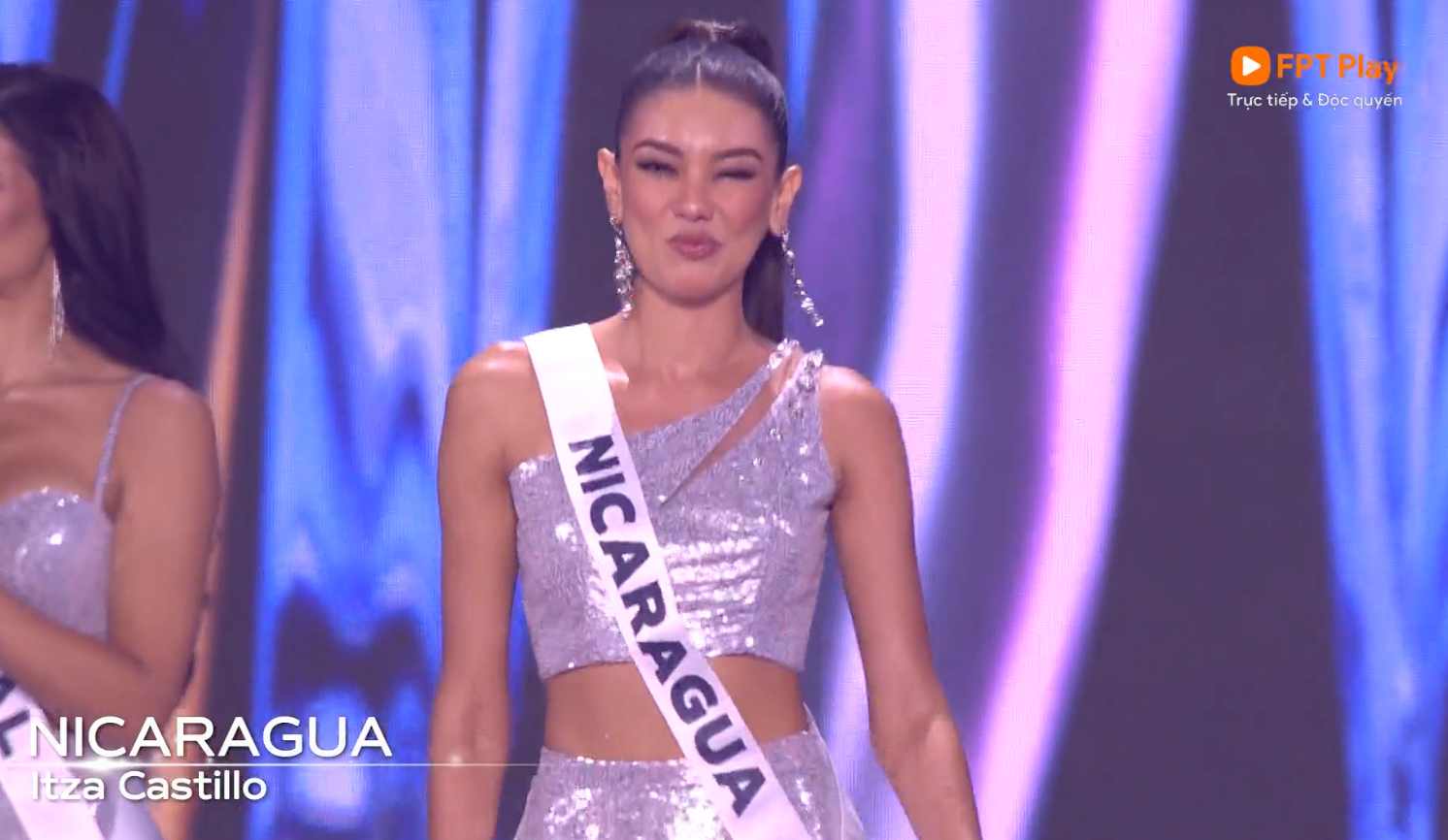
8h30: Công bố 15 thí sinh đầu tiên của top 30 chung cuộc. Người đẹp đại diện nước chủ nhà Thái Lan có mặt.
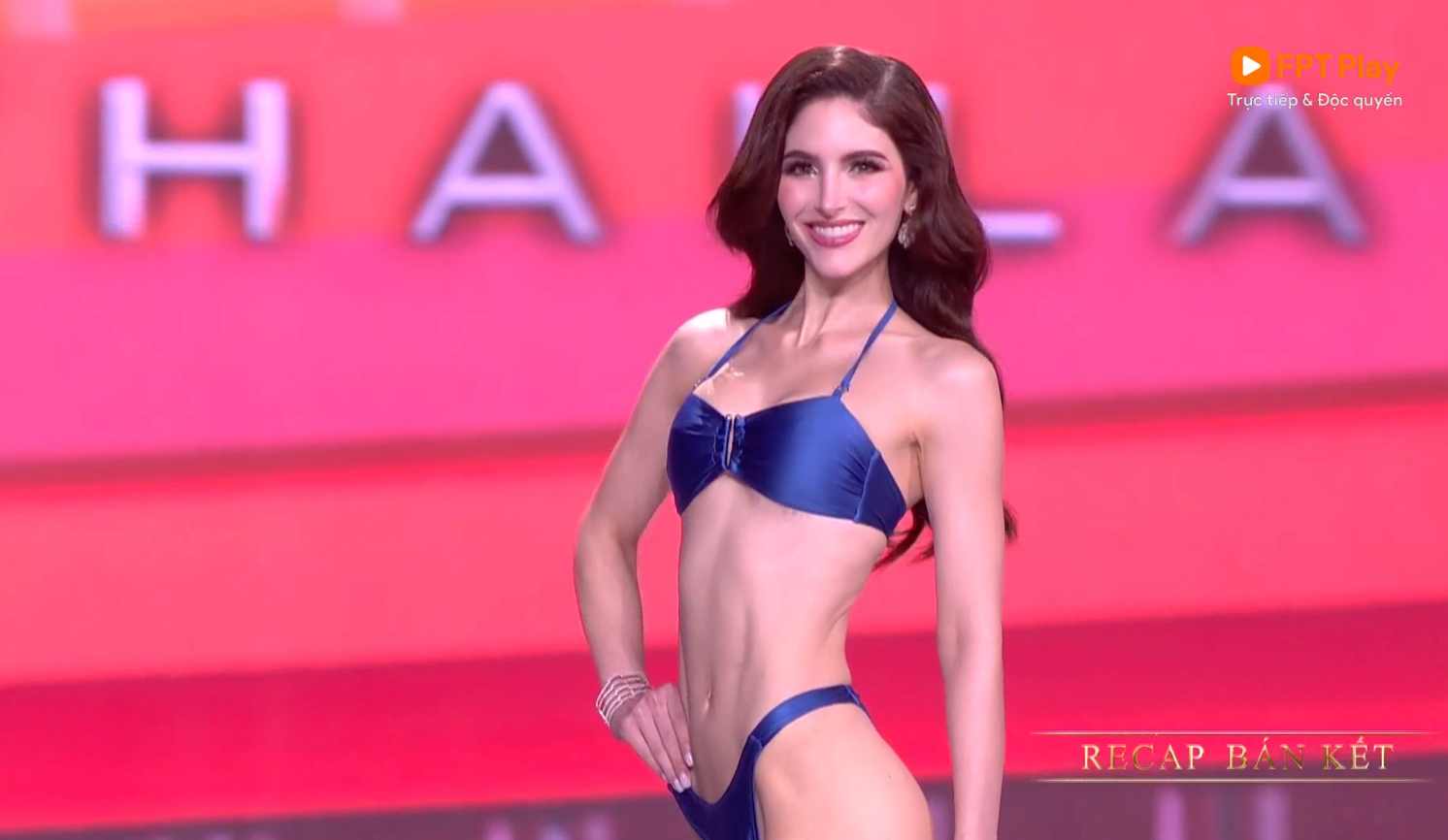
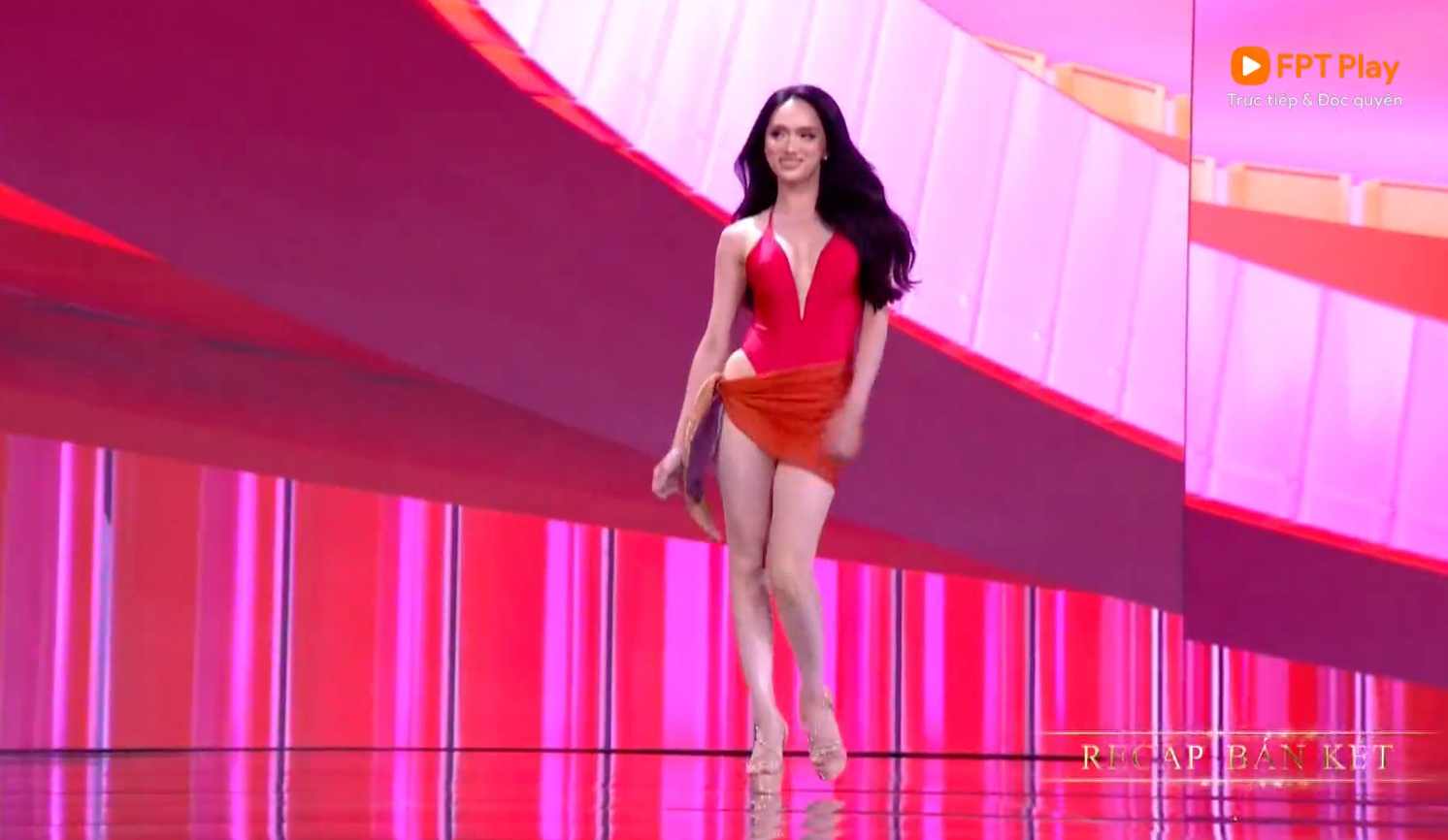
8h25: Chương trình điểm lại những gương mặt ấn tượng trong phần thi trang phục áo tắm ở vòng Bán kết. Hình ảnh của Hương Giang xuất hiện trên màn hình lớn.
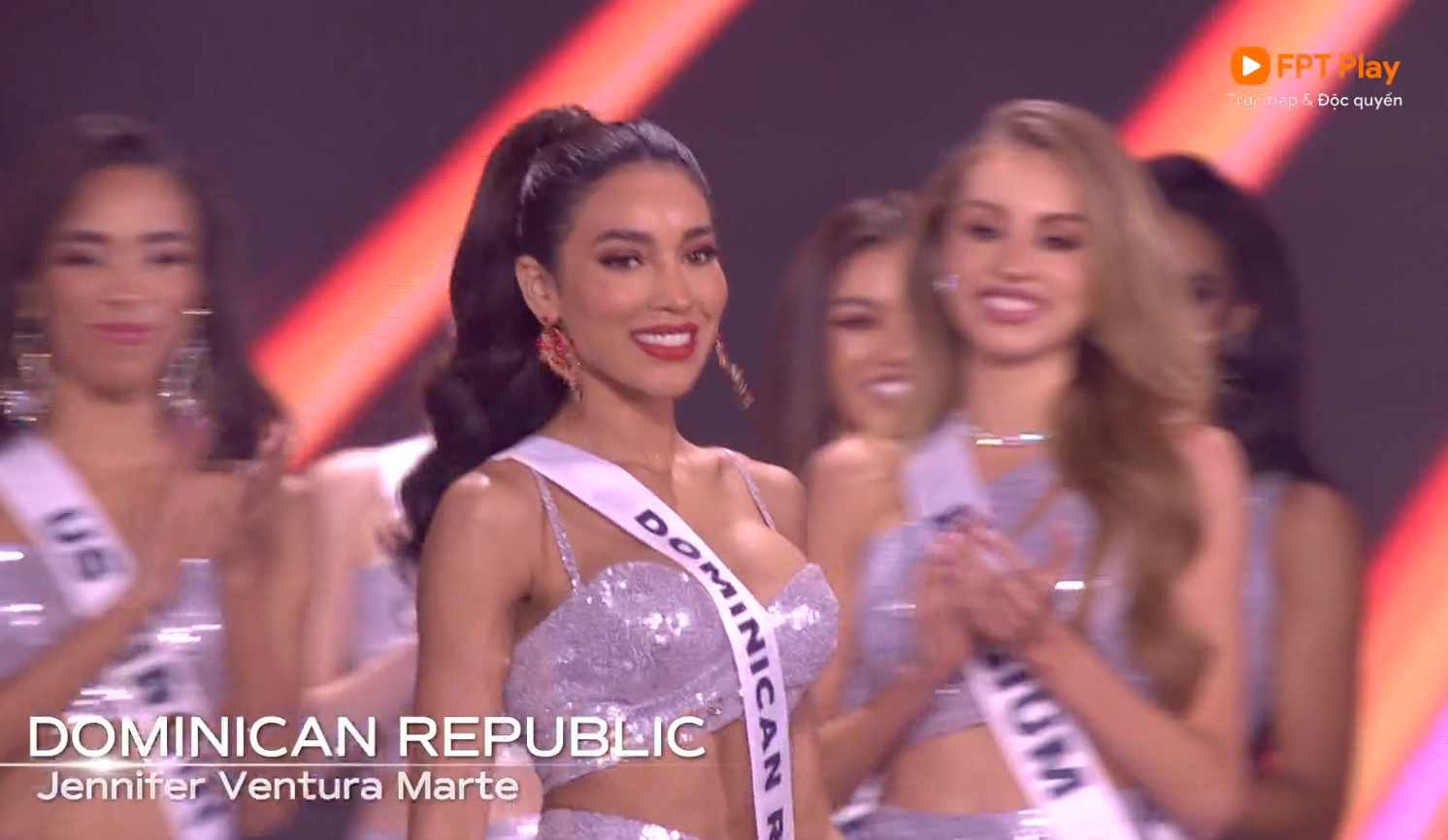
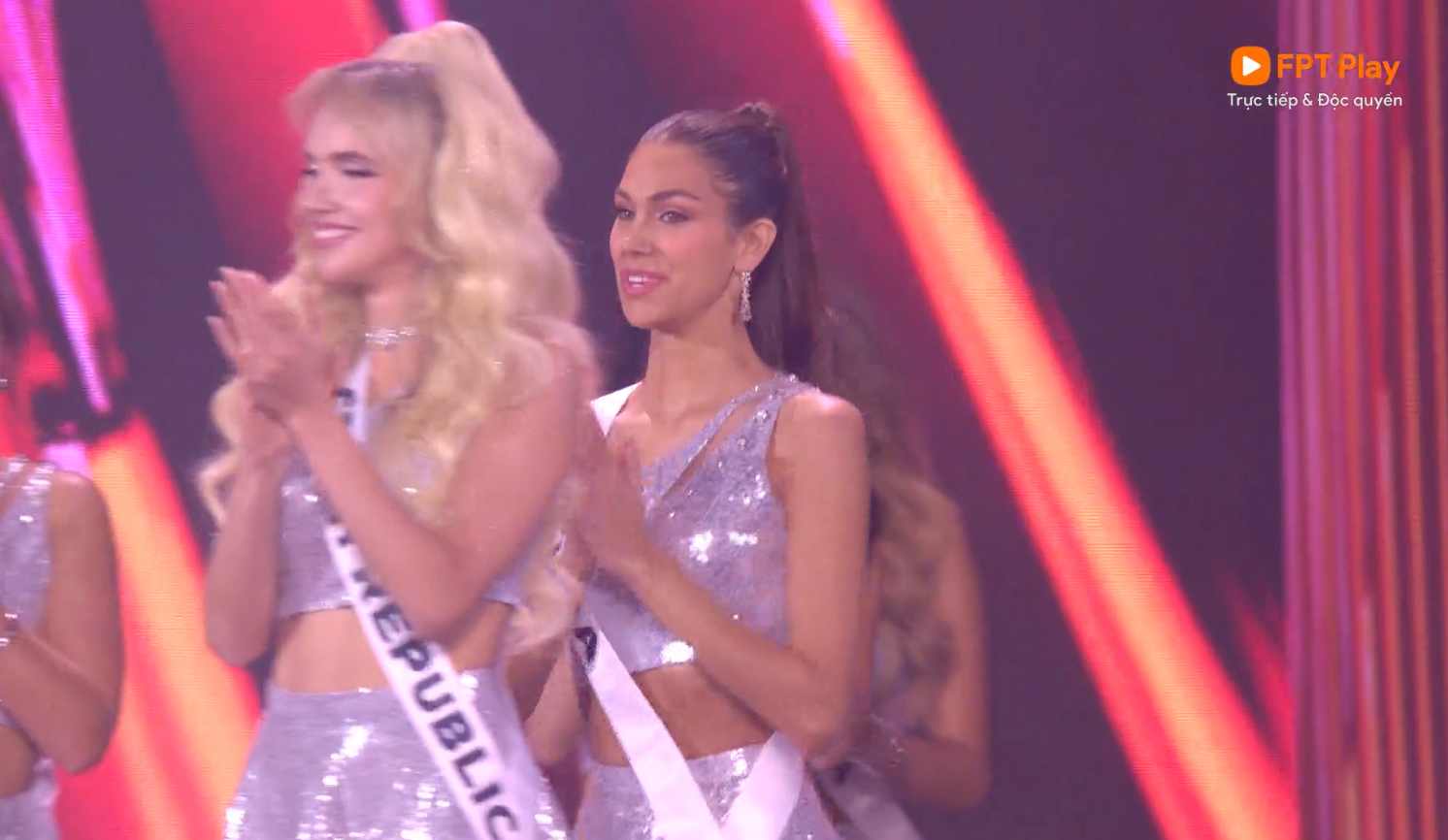
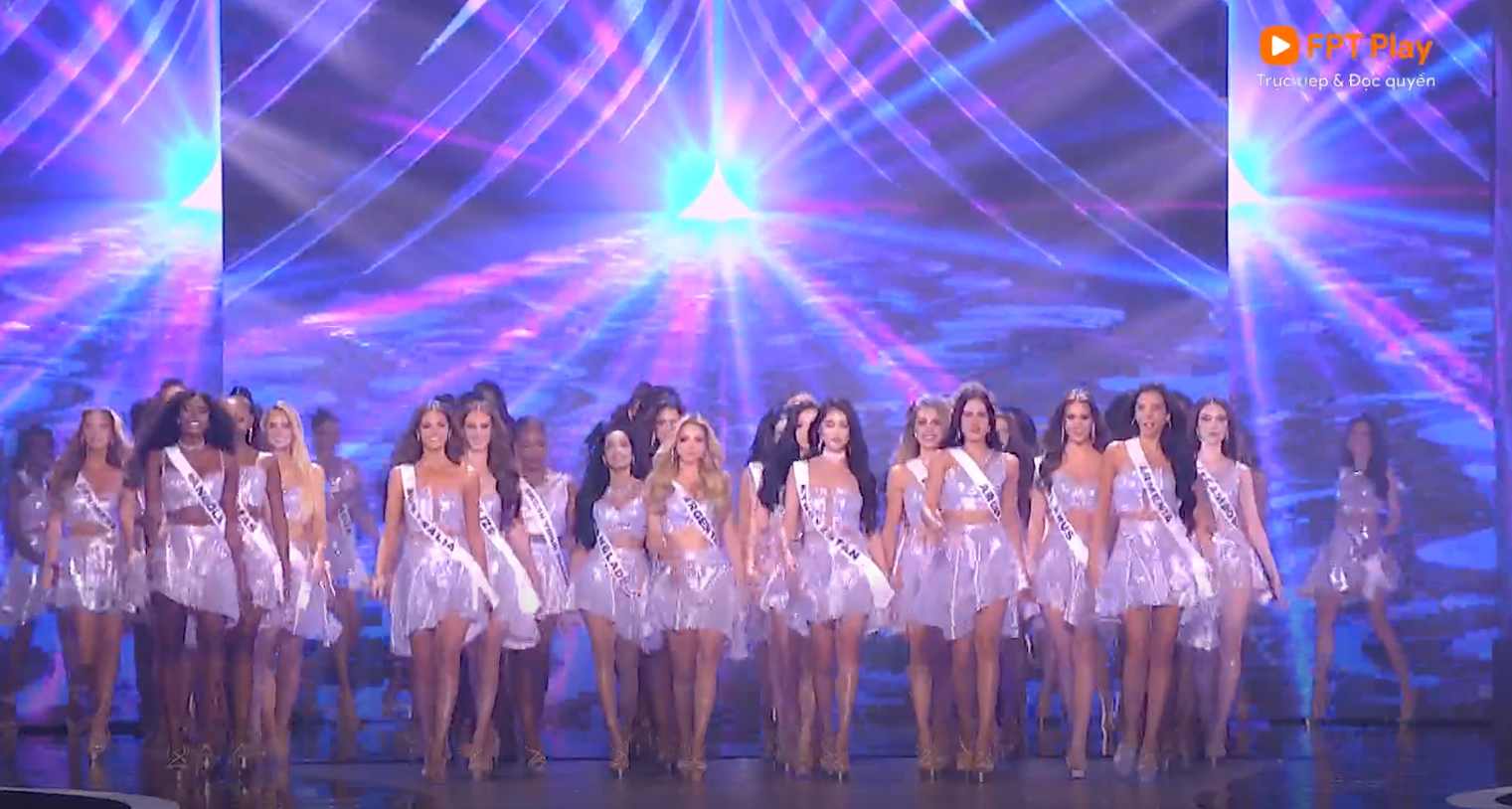
8h00: Vòng Chung kết Miss Universe 2025 chính thức bắt đầu. Trong nền nhạc "Những bông hoa hồng rực nở" của Jeff Satur, 123 thí sinh đồng loạt xuất hiện trên sân khấu.
Thông tin trước vòng chung kết
Trước đó, vòng Bán kết diễn ra tối 19.11 mang đến những phần thi trình diễn trang phục áo tắm và trang phục dạ hội. Tuy nhiên, không có bất kỳ thí sinh nào bị loại ở vòng thi này.
Theo Ban tổ chức Miss Universe 2025, cuộc thi năm nay sẽ có format mới. Theo đó, sau Top 30 sẽ không có Top 10, thay vào đó sẽ là Top 12. Với việc mở rộng thêm 2 vị trí, các thí sinh sẽ có thêm cơ hội để tiến sâu hơn vào vòng trong.
Đại diện Việt Nam - Nguyễn Hương Giang được xem là một trong những đối thủ nặng ký tại cuộc thi năm nay. Người đẹp từng gây chú ý từ Vietnam Idol 2012. Sau đó, cô hoạt động với vai trò ca sĩ, diễn viên, dẫn chương trình và nhà sáng tạo nội dung. Hương Giang từng xuất sắc đạt danh hiệu Miss International Queen 2018.

Tại Miss Universe 2025, Hương Giang nhanh chóng nhận được sự quan tâm của cộng đồng sắc đẹp. Đại diện Việt Nam đang xếp thứ 3 ở hạng mục Beyond the Crown, xếp sau Paraguay và Philippines. Cô cũng ghi điểm với thứ hạng cao ở các hạng mục bình chọn như Most Beautiful People và People’s Choice.
Top 3 thí sinh có điểm số cao nhất sẽ nhận được giải thưởng từ Ban tổ chức và có thêm cơ hội được trình bày về các dự án của mình với Ban Giám khảo. Nhờ đó, thí sinh có thêm ấn tượng tốt, nâng cơ hội lọt Top chung cuộc.
Cùng Lao Động cập nhật những diễn biến mới nhất của cuộc thi và ủng hộ đại diện Việt Nam Nguyễn Hương Giang tại vòng Chung kết Miss Universe 2025.


